
After our Barbados trip, Shelly and I hopped over to St. Lucia for the second leg of our kid-free Caribbean getaway. If Barbados was lazy beaches and British colonial charm, St. Lucia was the opposite – jagged volcanic peaks, dense jungle greenery, and predominantly Francophone. The island sits between Martinique and St. Vincent, dominated by the Pitons, two volcanic peaks that shoot straight up from the sea. We spent a few days hiking jungle trails, chasing waterfalls, making chocolate, and dining at restaurants with panoramic views. Here are the highlights of our St Lucian adventures:
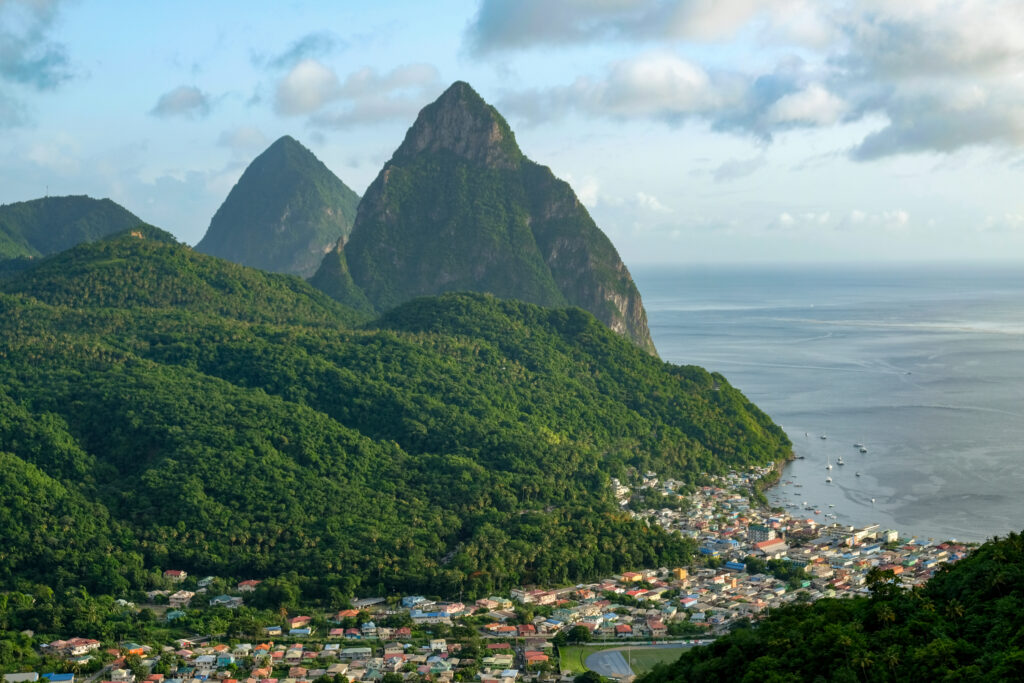
The Pitons – iconic symbols of St Lucia

Rainbow alert
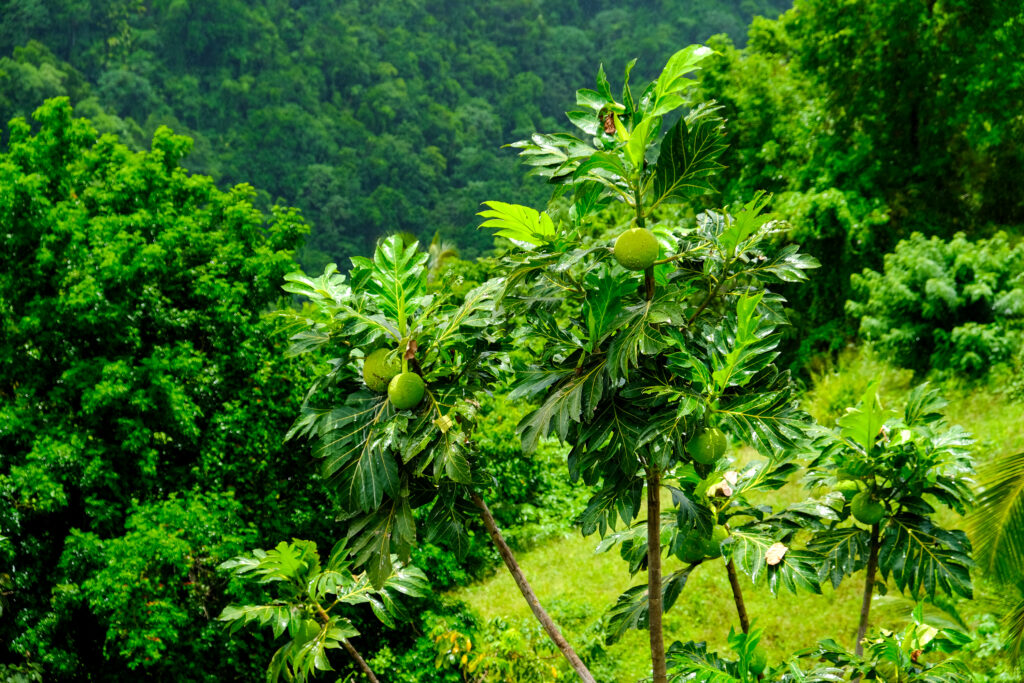
Unreal shades of green abound
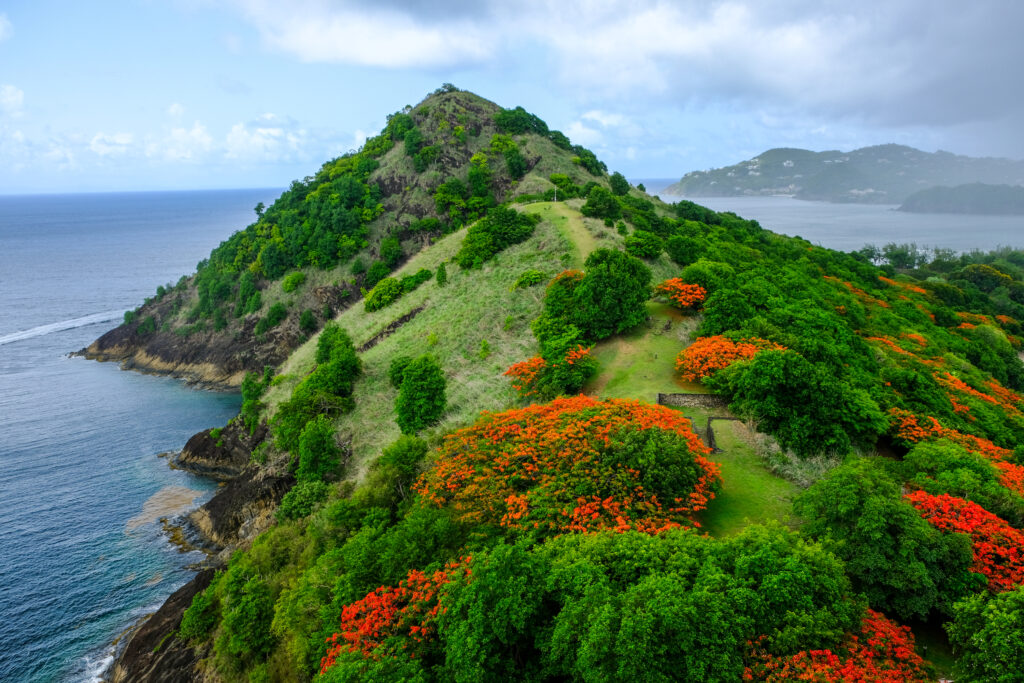
Dramatic colorful coastlines
1. Waking up to the mighty Pitons every morning
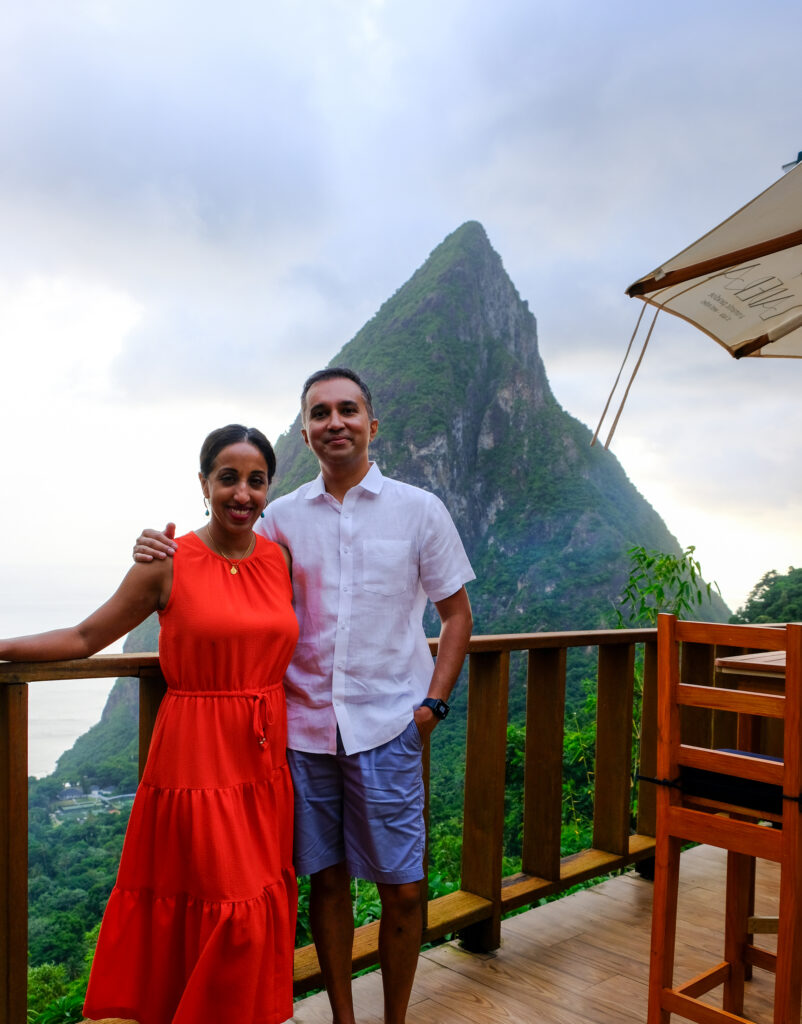
The Pitons – Gros Piton and Petit Piton – rise 2,600 and 2,400 feet from the Caribbean Sea and are visible from almost everywhere on the southern end of the island. We based ourselves near Soufriere, the old French colonial capital that sits in their shadow. These iconic peaks are the most recognizable feature of St Lucia, and even take center stage on the tiny nation’s flag.
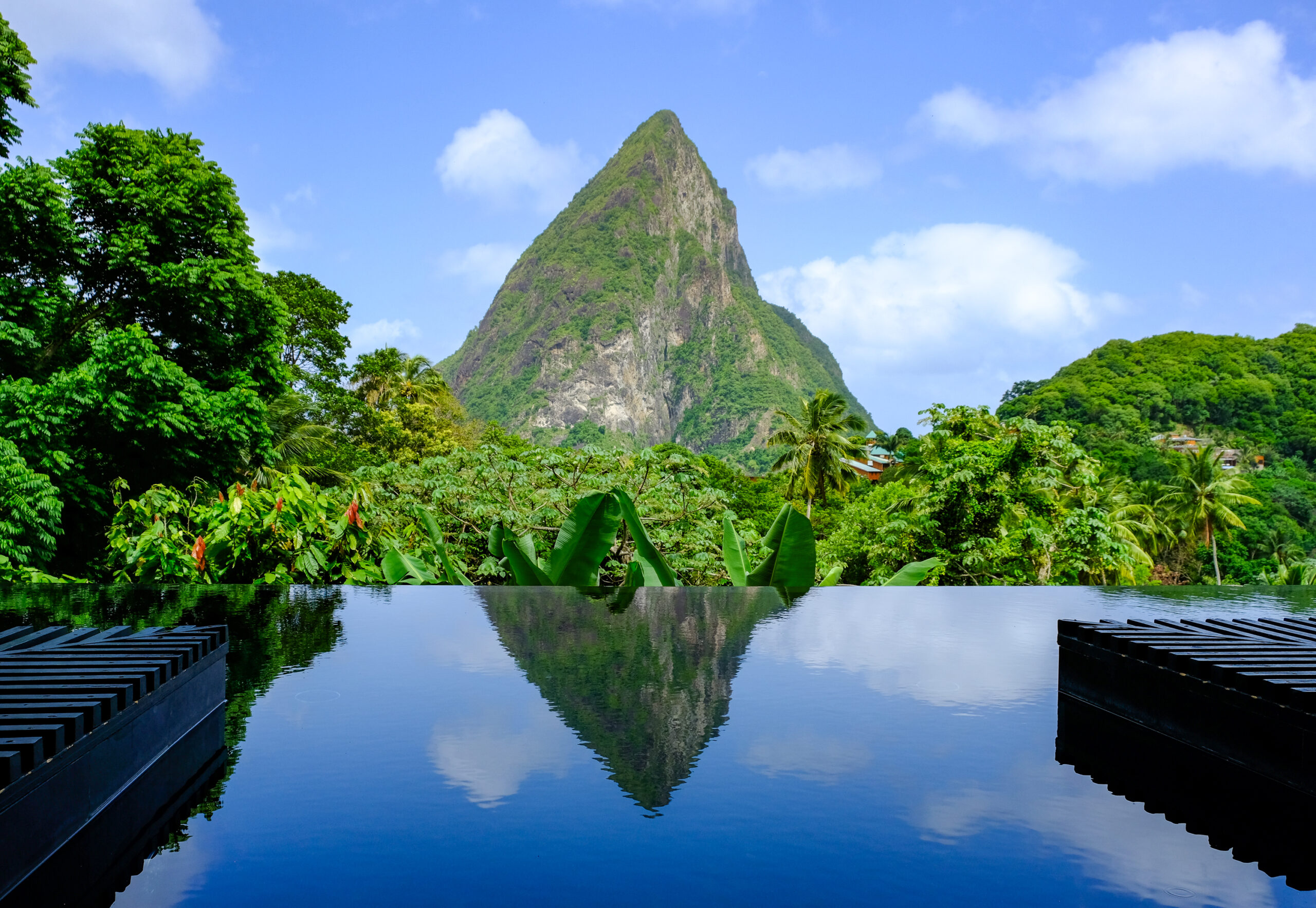
Our Airbnb was perched atop the hills with spectacular views from the infinity pool. We spent most mornings on the balcony with our coffee, just staring out at the dueling peaks. The views of the Pitons change throughout the day as the light shifts – shrouded in the morning mist, jagged against clear skies at midday, then silhouetted against the setting sun at dusk.
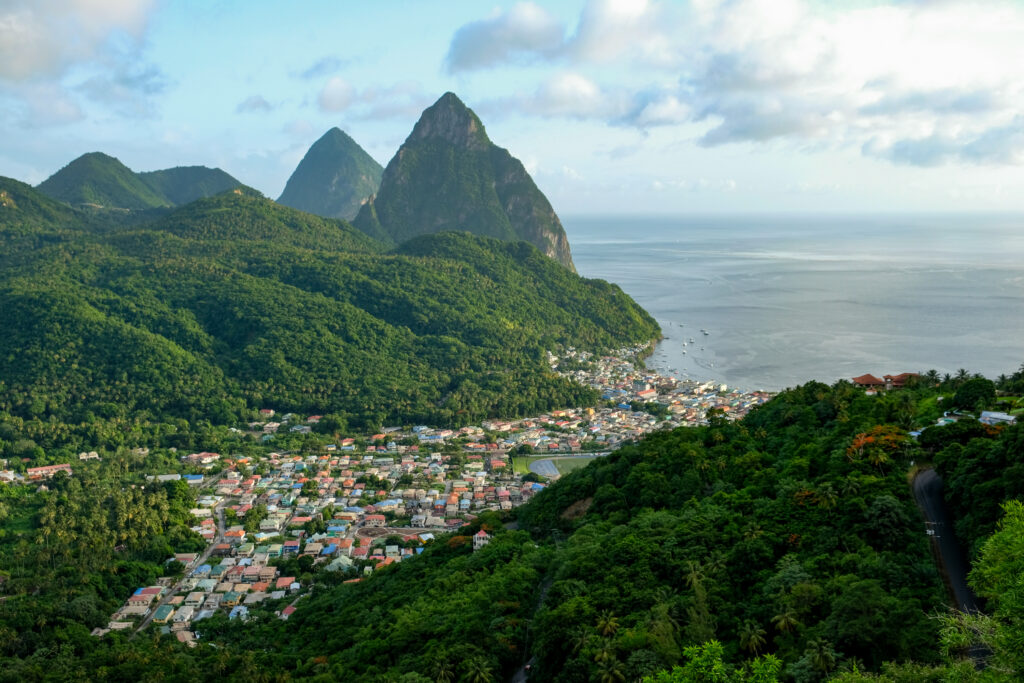
The iconic Pitons rising over Soufriere
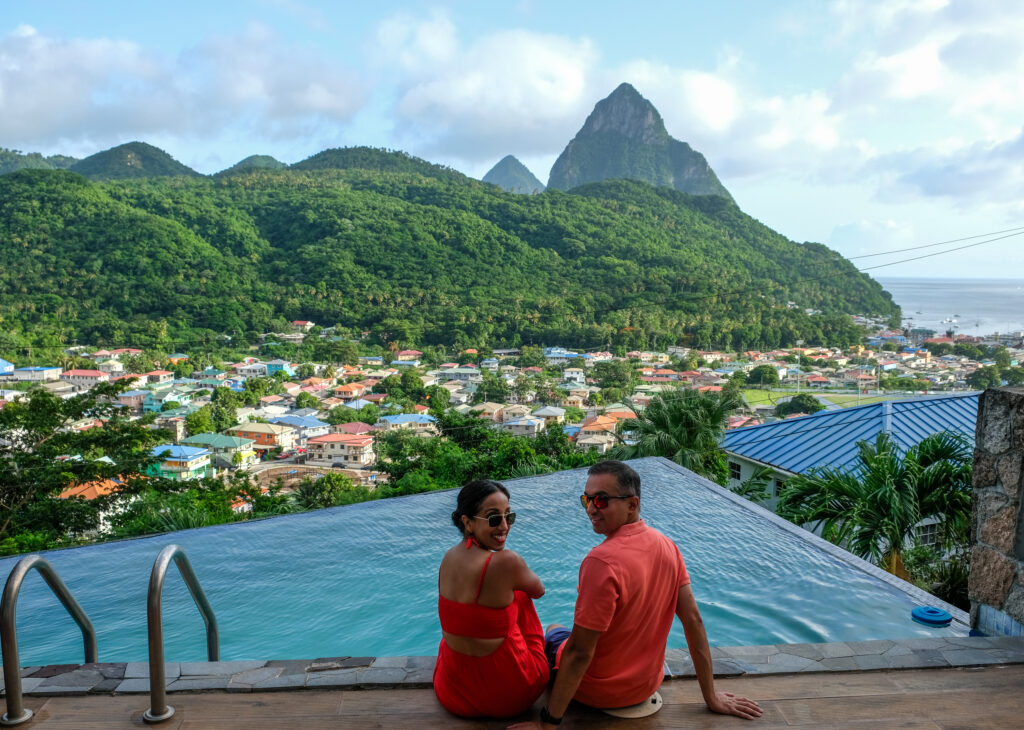
Perfect poolside Piton views
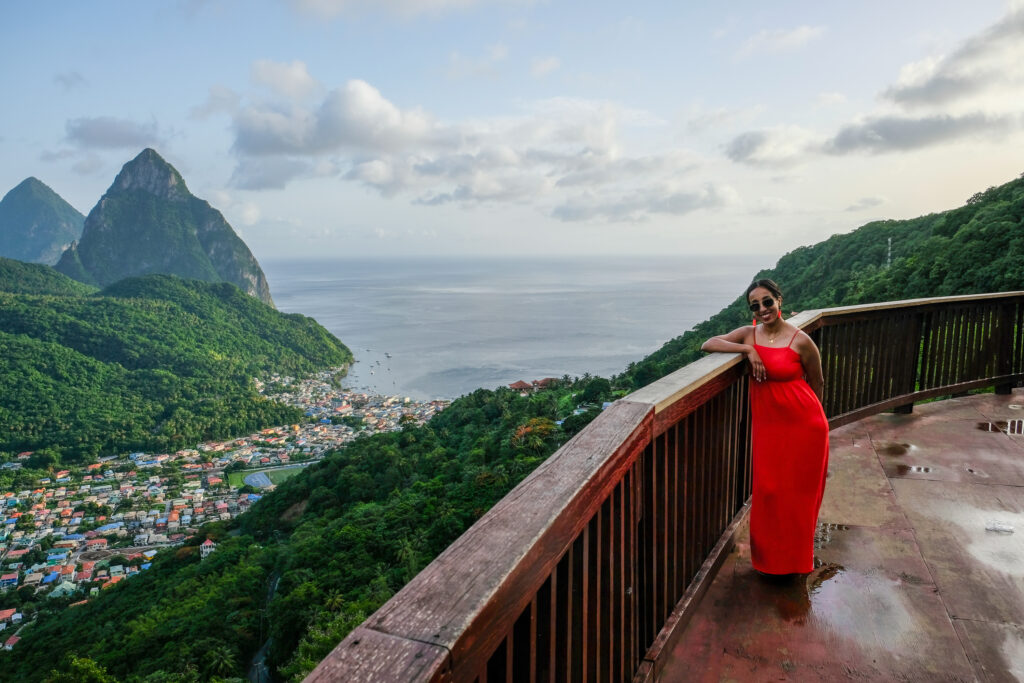
Another panoramic view from up in the hills
2. Lounging between volcanic peaks at Sugar Beach
Sugar beach was the most picturesque beach we found in St Lucia, situated in a small cove directly between the two Pitons. The Viceroy resort owns most of it, but there’s a narrow band of public access available too. The beach is more dramatic than the typical flat ones we usually gravitate to – with calm waters framed by the Pitons on both sides and untamed jungle growth pressing right up to the shoreline.
We even stopped by for brunch at Viceroy’s beachfront restaurant one morning. The food was great and the bill reflected resort pricing, but the view made it worth it.
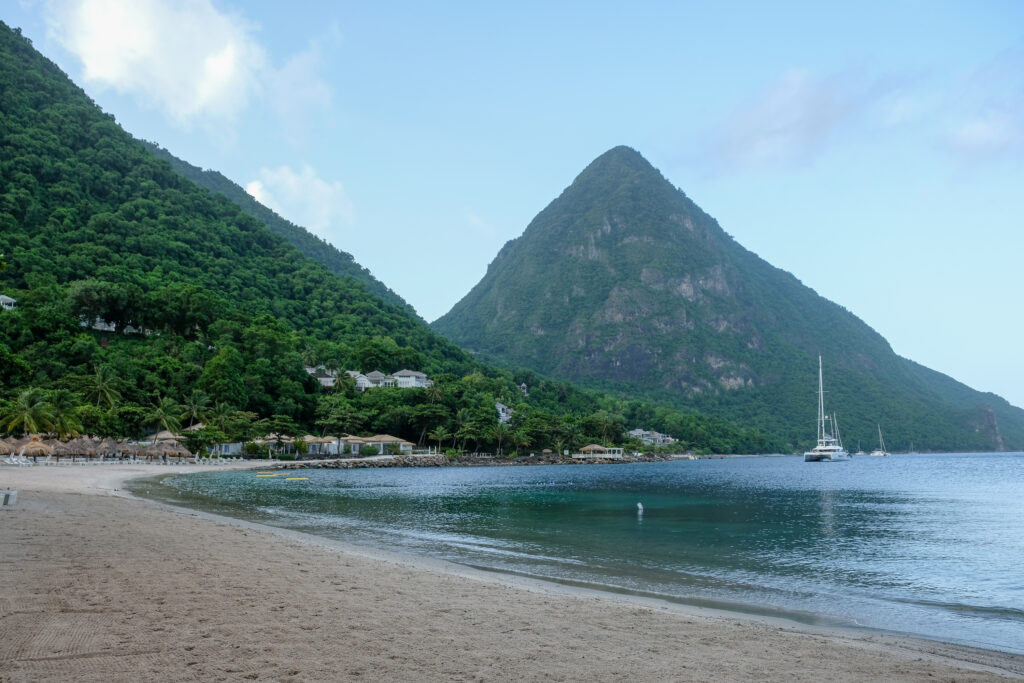
Idyllic shore of Sugar beach
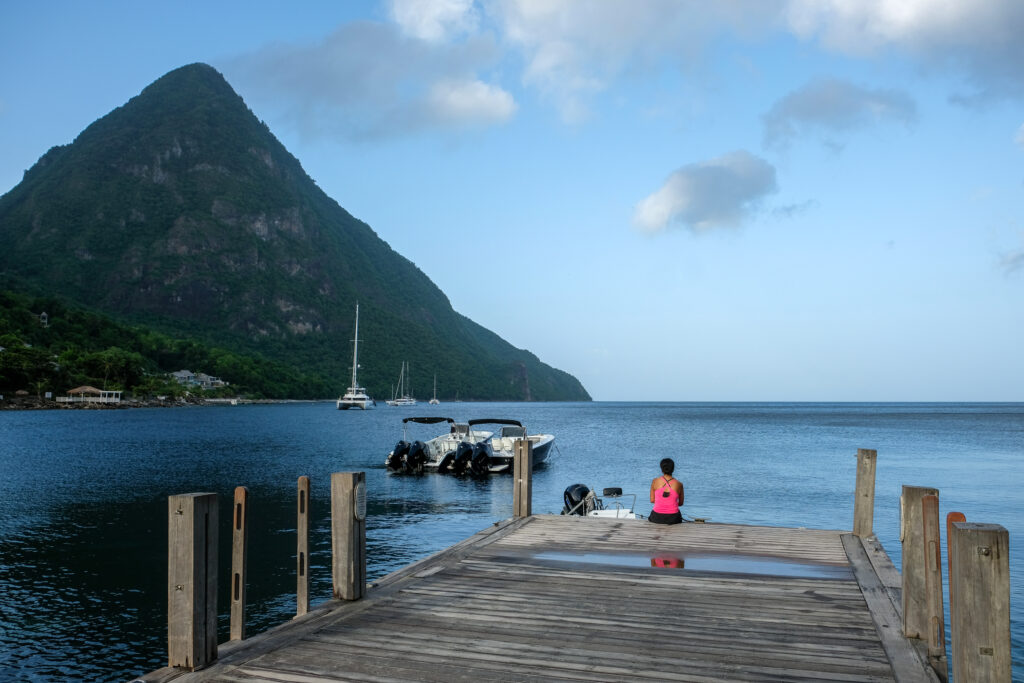
Down by the pier

Taking in the views before heading to the Tet Paul hiking trail
3. Hiking for panoramas on Tet Paul Nature Trail
The Tet Paul Nature Trail sits on a ridgeline above Soufriere with views of the Pitons, the Caribbean, and on clear days, Martinique. The hike is relatively short at45 minutes round trip – but steep enough to work up a sweat in the scorching sun.
As we hiked up we saw all kinds of vegetation – cocoa, nutmeg, coconut, and tons of breadfruit. The vegetation is absurdly dense and boasts all shades of green, with the super fertile volcanic soil ensuring everything grows fast and fights for space.
The viewpoint at the top delivered both Pitons in full view with the ocean beyond. We lingered for quite a bit, to catch our breaths and to snap plenty of pics for the kiddos, before heading back down.
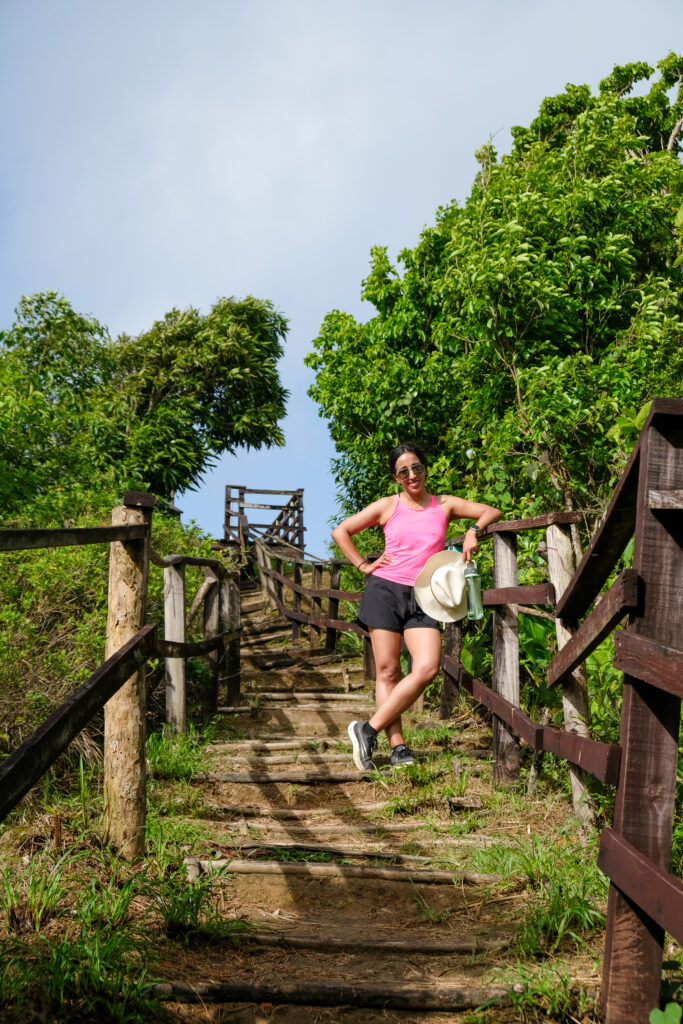
Ready for our hike
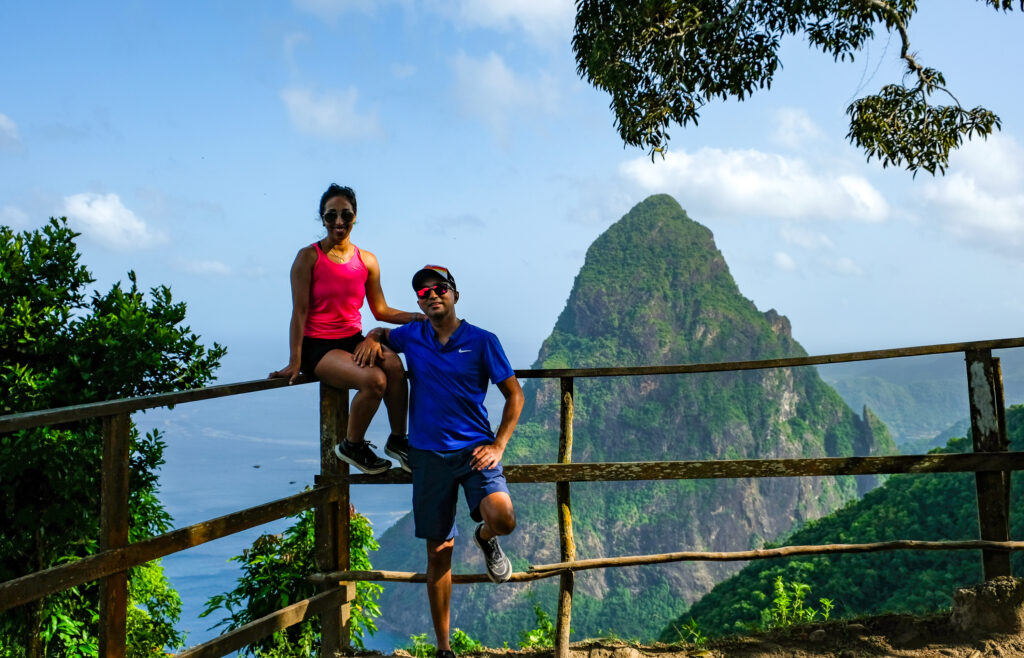
Viewpoint at the peak
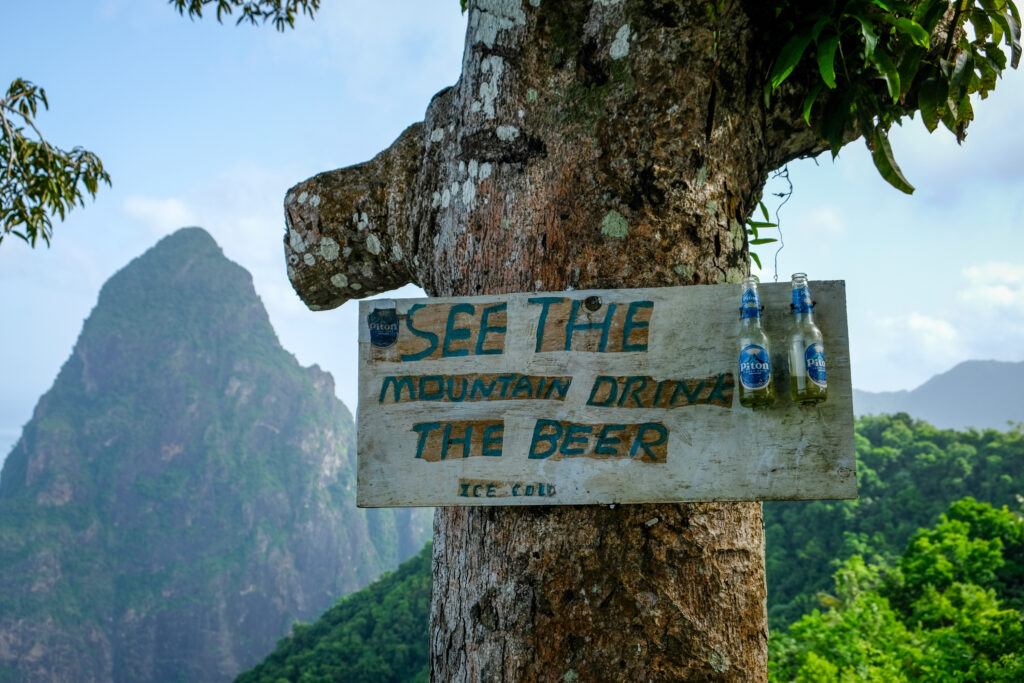
Why, yes, of course we will
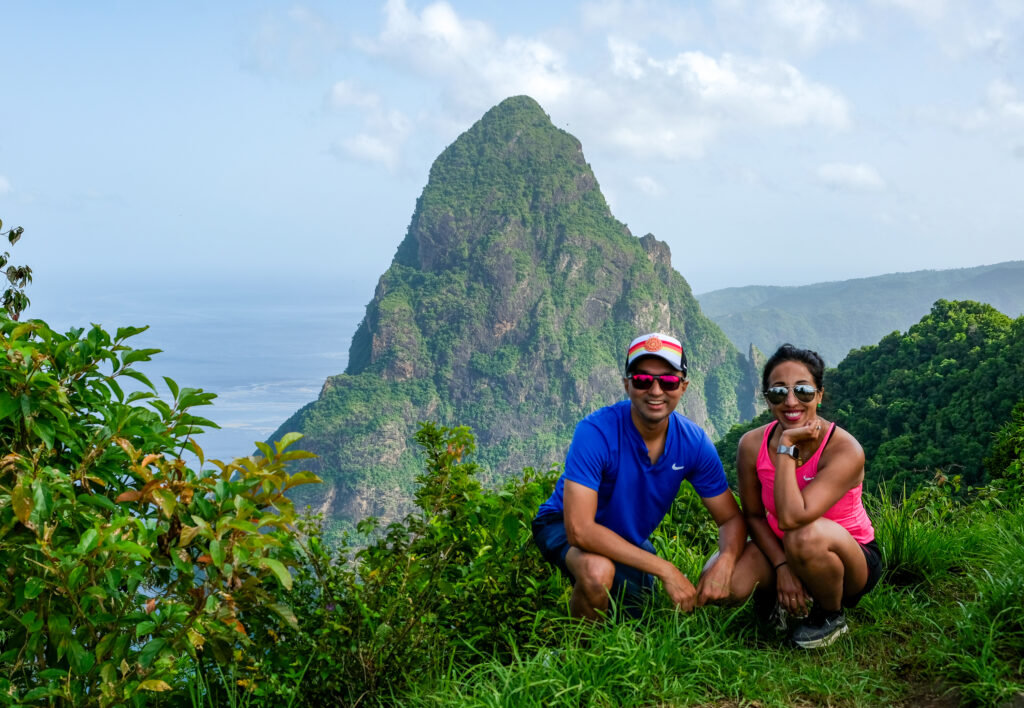
Another viewpoint on our way down
4. Smelling sulfur at the world’s only drive-in volcano
The Sulphur Springs bills itself as the world’s only drive-in volcano, though calling it a volcano is rather generous. It’s a sunken volcanic crater where you can drive right up to bubbling mud pools and steam vents.
The overpowering smell of rotten egg sulfur hit us as we drove up, even before we stepped out of our car. On the guided tour we learnt how volcanic activity has been ongoing here for millennia. The mud pools bubble and hiss constantly, with temperatures reaching 170°F just below the surface. We skipped the sulfuric mud bath, opting to stay dry and escape for some clean sulphur free air instead.
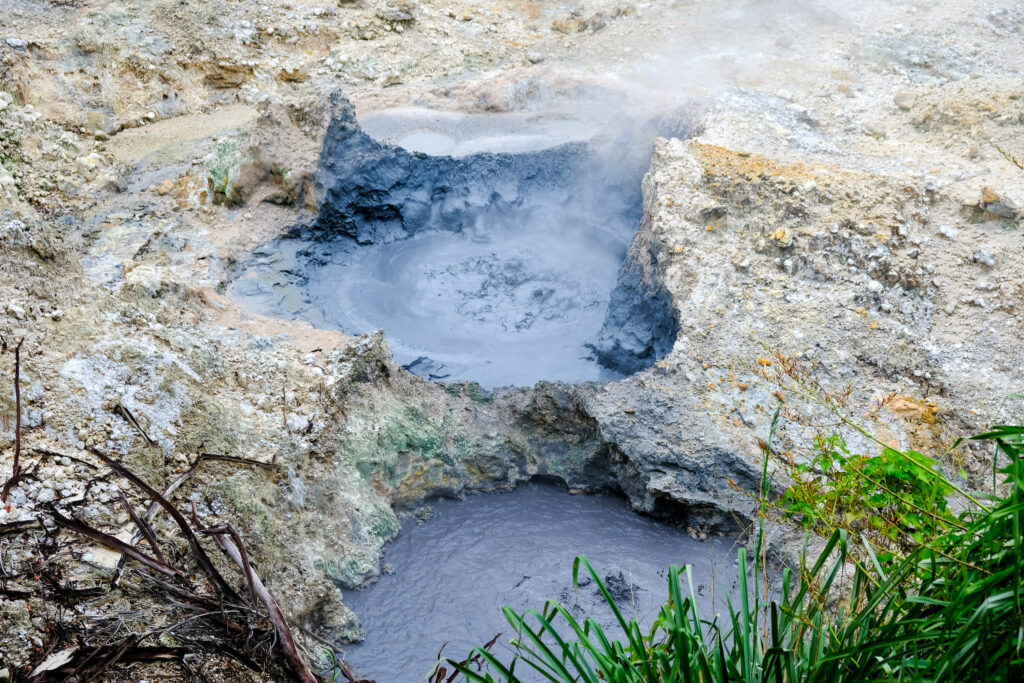
One of the many bubbling black mud pools

Steady streams of steam emanating from the vents

Braving the rotten sulphuric smell for a while longer
5. Chasing waterfalls at Diamond Falls
Diamond Falls sits inland from Soufriere in a botanical garden that was originally a French colonial estate. The gardens were well-manicured and peaceful, in contrast to the raw jungle trails we had previously hiked.
The waterfall itself was rather modest by waterfall standards, but the colors were still striking. It gets its yellowish-orange color from high mineral content – sulfur, copper, iron that have stained the rocks as water cascades down. We skipped the sulphuric smelling mineral bath again at the base.

Pops of color amidst the dense greenery

At the base of Diamond Falls
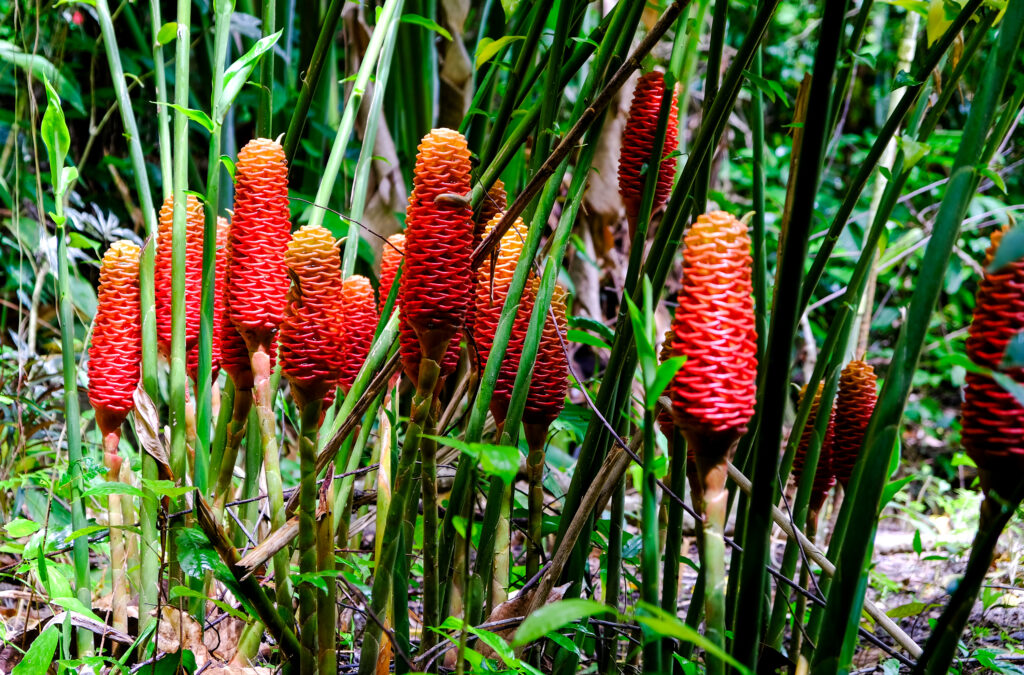
Interesting shaped flowers
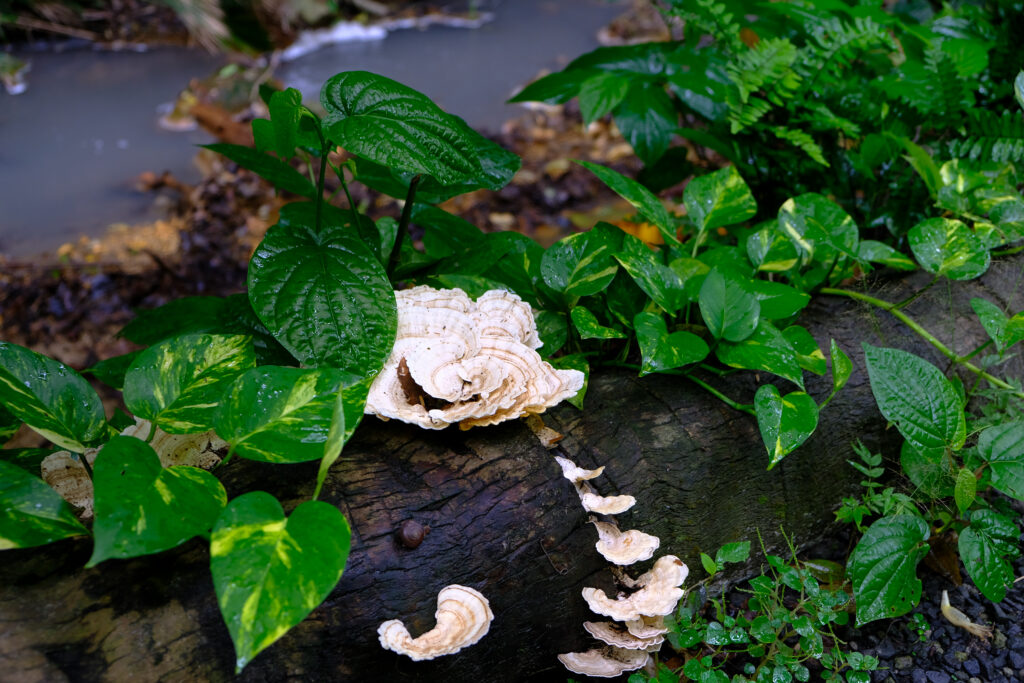
Every kind of vegetation growing wild throughout
6. Exploring colonial fortifications at Pigeon Island
Pigeon Island sits off the northern tip of the island, connected to the mainland by a narrow causeway. Today it is a peaceful national park, but that belies its historical use as a military fort alternating between the French and British to track enemy ship movements in the 18th century.
We explored the rather rundown ruins, then climbed up to Fort Rodney lookout at the peak. The hike is steep and exposed, and we ended up getting drenched from a surprise downpour. But the 360-degree views were worth it – with views of the entire northern coast, Martinique in the distance, and Gros Islet below. We grabbed cocktails at a a shack on the beach afterwards, then waded in the calm waters for a bit before driving back to Soufriere.

Azure bluish green waters of Pigeon Bay
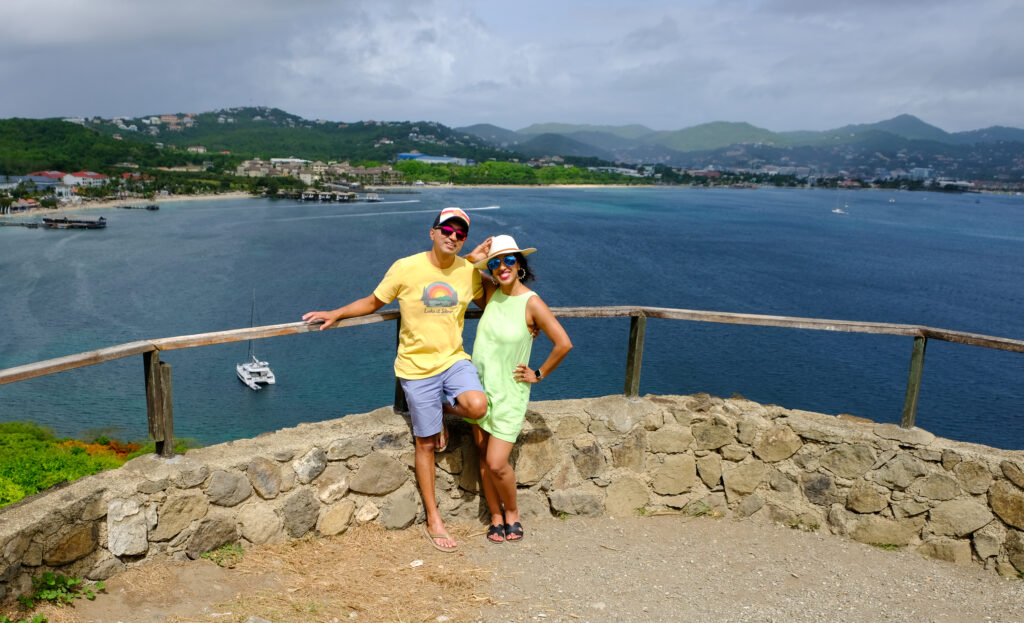
One of the many scenic stops along the short hike to Fort Rodney
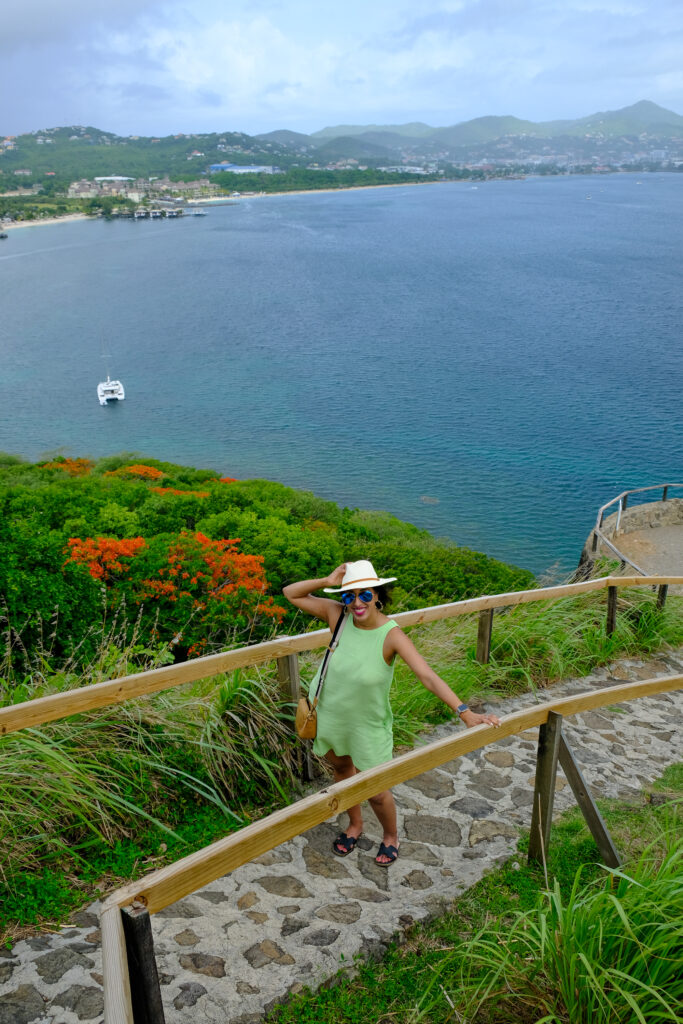
Heading to the peak

“What do you call it when a cannon eats another cannon? Cannonballism”

Amazing panoramic views of the St Lucian coastline and the Caribbean Sea
7. Making artisanal chocolate from bean to bar
St. Lucia has been growing cacao since the 1700s, and what better way to learn more than by partaking in a private chocolate making experience. At Cacao St. Lucia, the small locally-run company walked us through the bean-to-bar process before putting us to work in making our own chocolate bars.
We customized our handmade bars with all sorts of toppings – dried tropical fruit on some, sprinkles galore on a few to bring back as souvenirs for the kiddos, and even red pepper flakes on one that turned out surprisingly well.

Psychedelic wall art

Ready to make some chocolate!
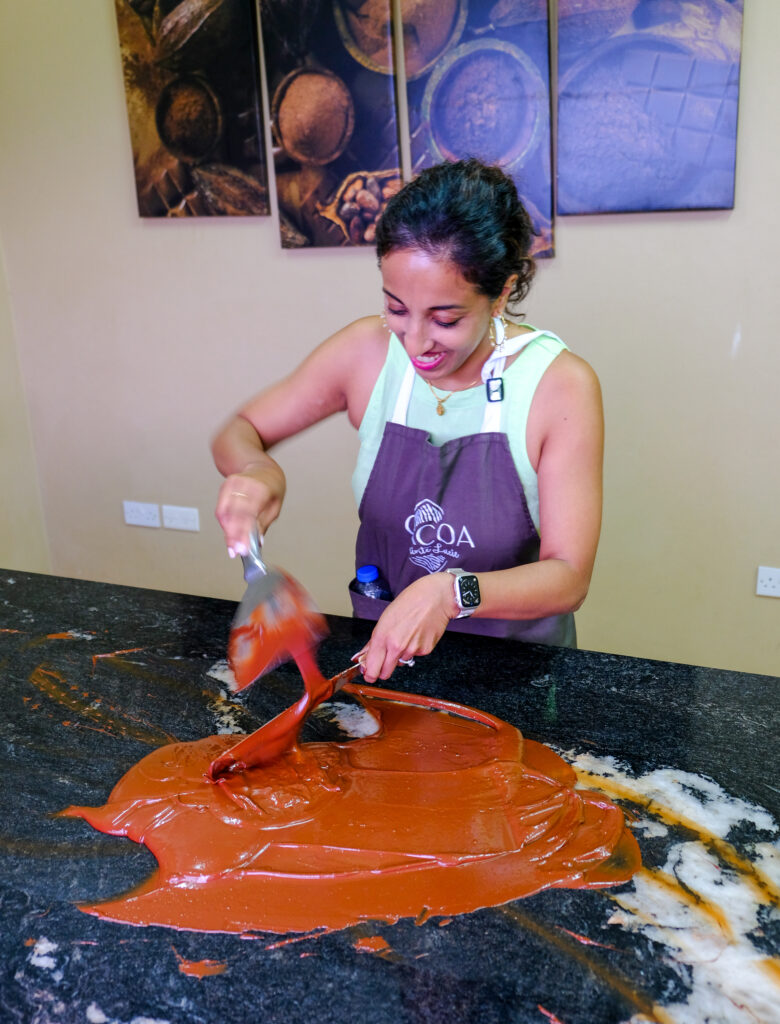
First mixing the cocoa paste…
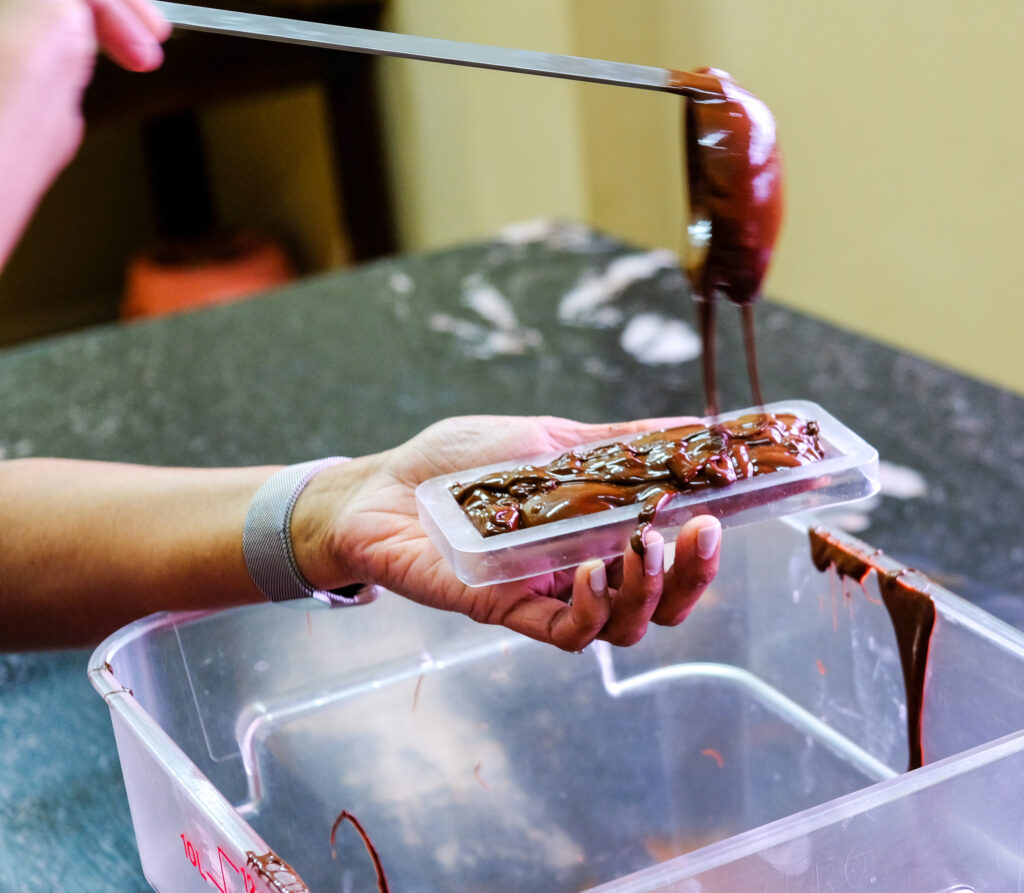
Then pouring into the molds…
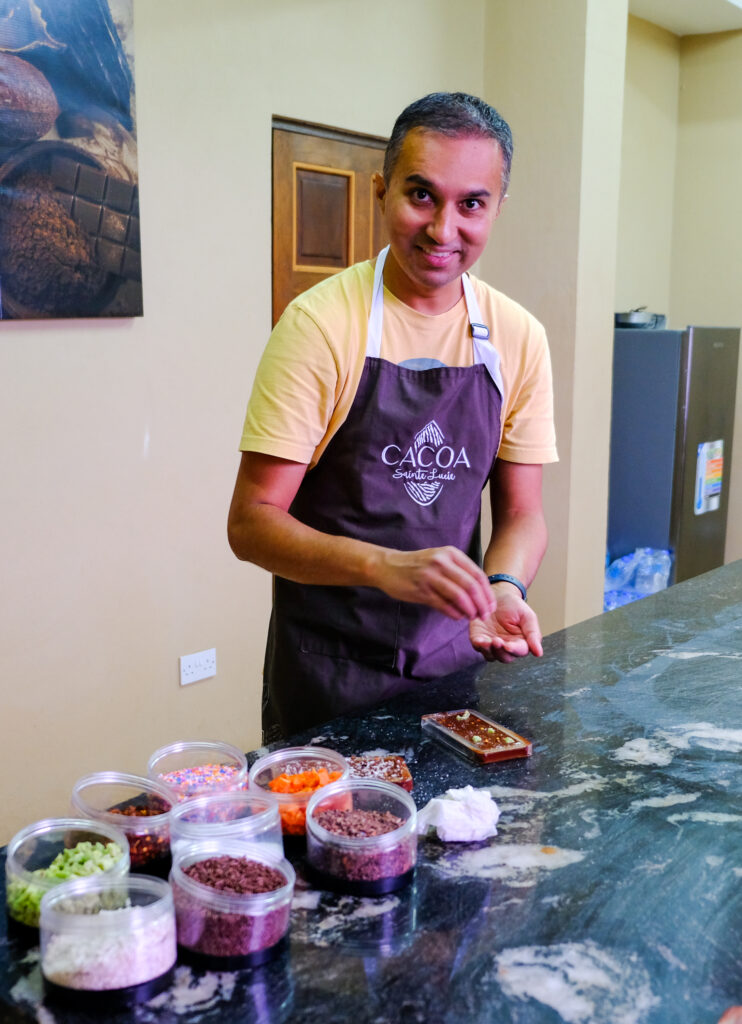
And finally, going crazy with the toppings
Bonus: Dining with panoramic views
St. Lucia’s restaurant scene revolves around views, mainly of the Pitons. We hit five spots that delivered on scenery with varying results on food.
The Treehouse
Unique spot that is built into a 200-year-old tree in the rainforest.

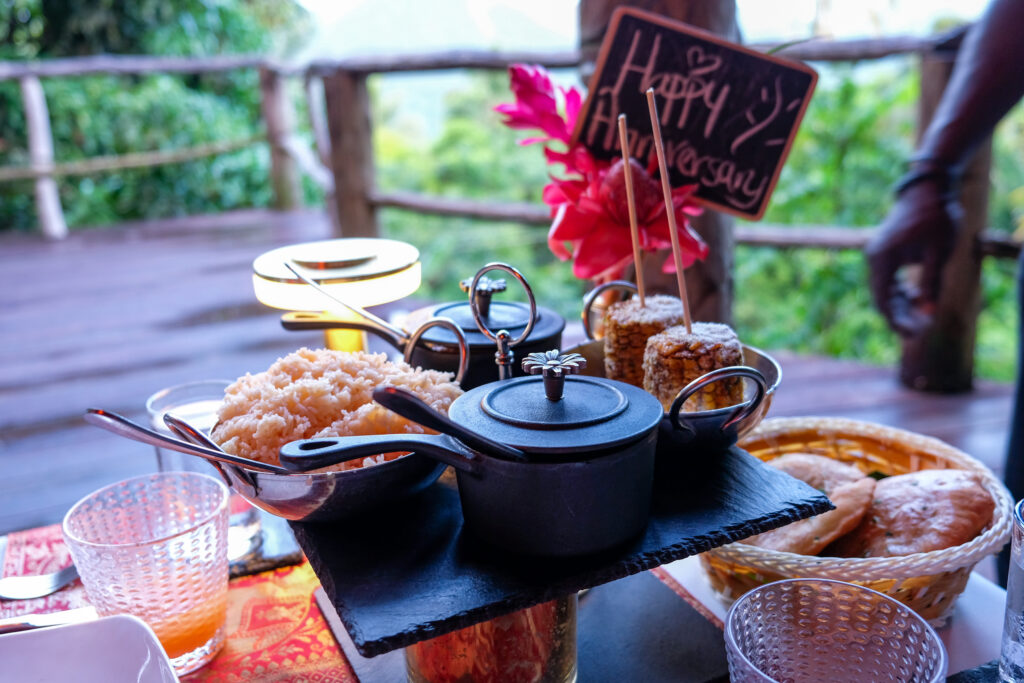
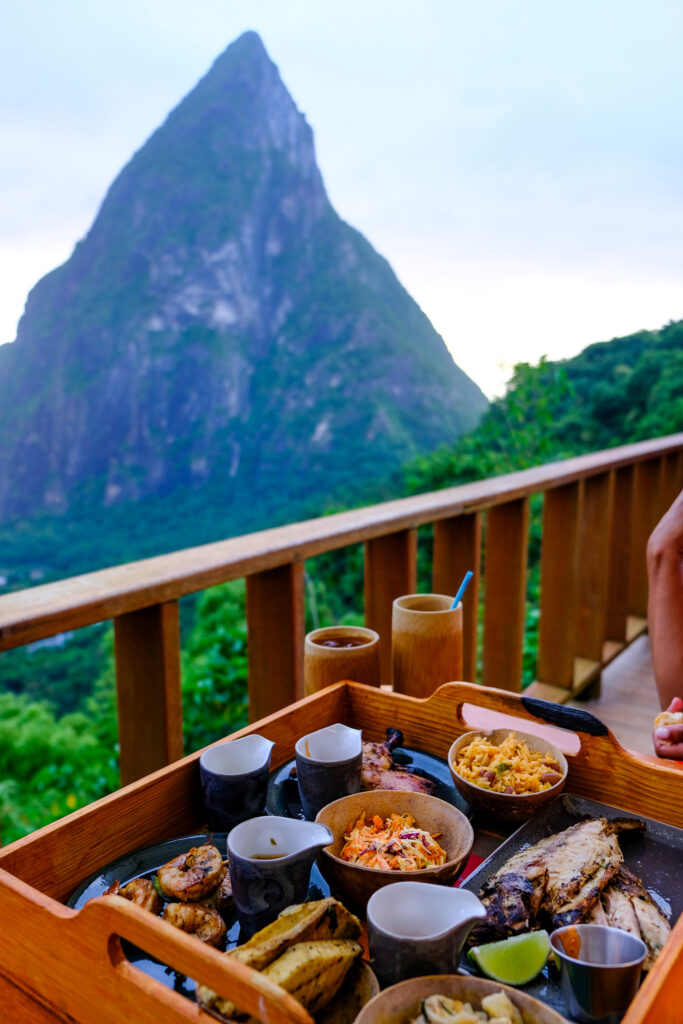
Dasheene at Ladera
Open-air sunset dinner spot with the iconic view of the Pitons; excellent food and steep prices to match.
Rabot at Hotel Chocolat
Set within a working cocoa plantation between the Pitons, with almost every dish incorporating cocoa.


Mango Tree at Stonefield
Farm-to-table restaurant overlooking the Caribbean coast.


Conclusion
By the end of our trip, St. Lucia had cemented itself as the perfect Caribbean island for those craving something different. Volcanic, mountainous, and aggressively green – it was unlike any of our other Caribbean escapes. The beaches were darker, the terrain steeper, and everywhere we turned there was yet another jungle trail or waterfall vying for attention. A few days of hiking, eating well, and taking it slow was exactly what we needed before diving into family adventures in Italy later that summer.


Leave a Reply
Please share your comments below!