
Asunción means ‘Assumption’ in Spanish – named for the date that Spanish settlers founded the city on 15th August 1537, the Catholic feast of the Assumption of Mary. It is one of the oldest capitals in South America, and its humble historic center packs a surprising amount of history into a compact area. On a free morning during a work trip to Paraguay, I covered all of the sights below comfortably on foot in a few hours. And since March temperatures in Asunción regularly hit the mid 30s°C by midday, the early start was much needed.
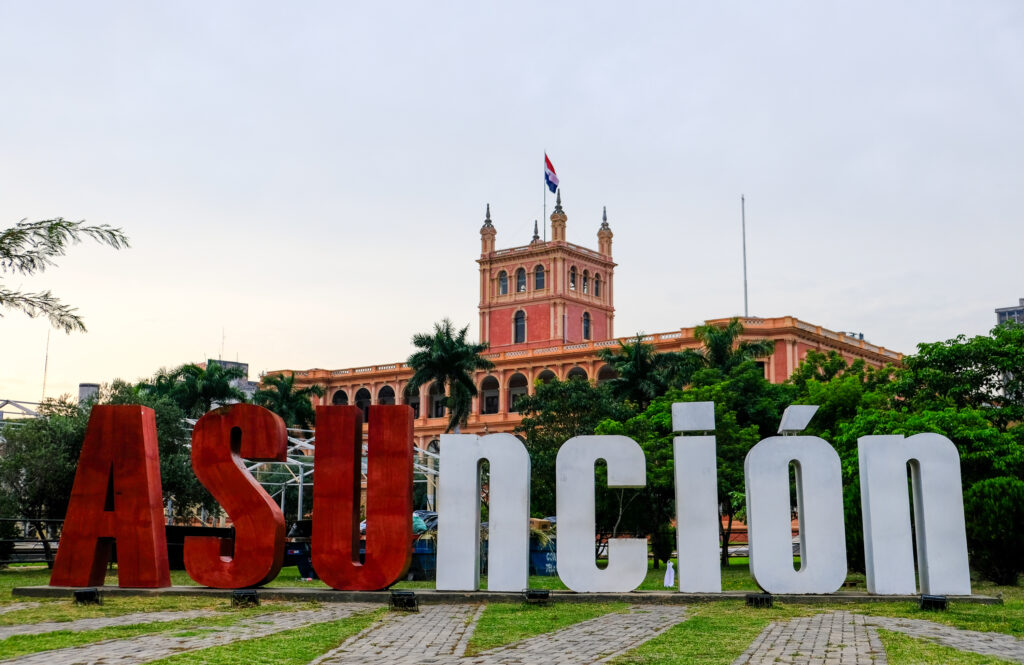
Asuncion sign by the presidential palace
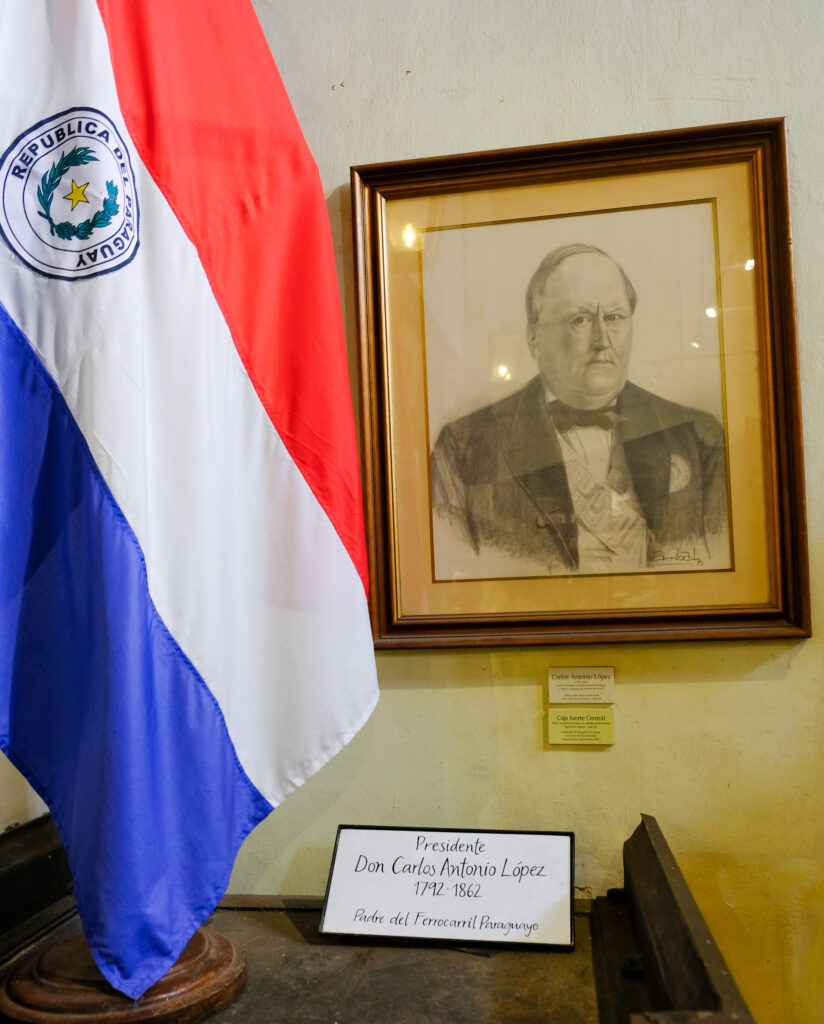
Scowling jowl of Carlos Antonio López, Paraguay’s first constitutional president
Watching the Sun Rise Over the Paraguay River
I started at the Costanera de Asunción riverwalk promenade right as the first rays of the morning sun appeared. Watching the calm waves of the Paraguay River simmer in the soft light of the golden hour was an unhurried way to begin before the heat set in.
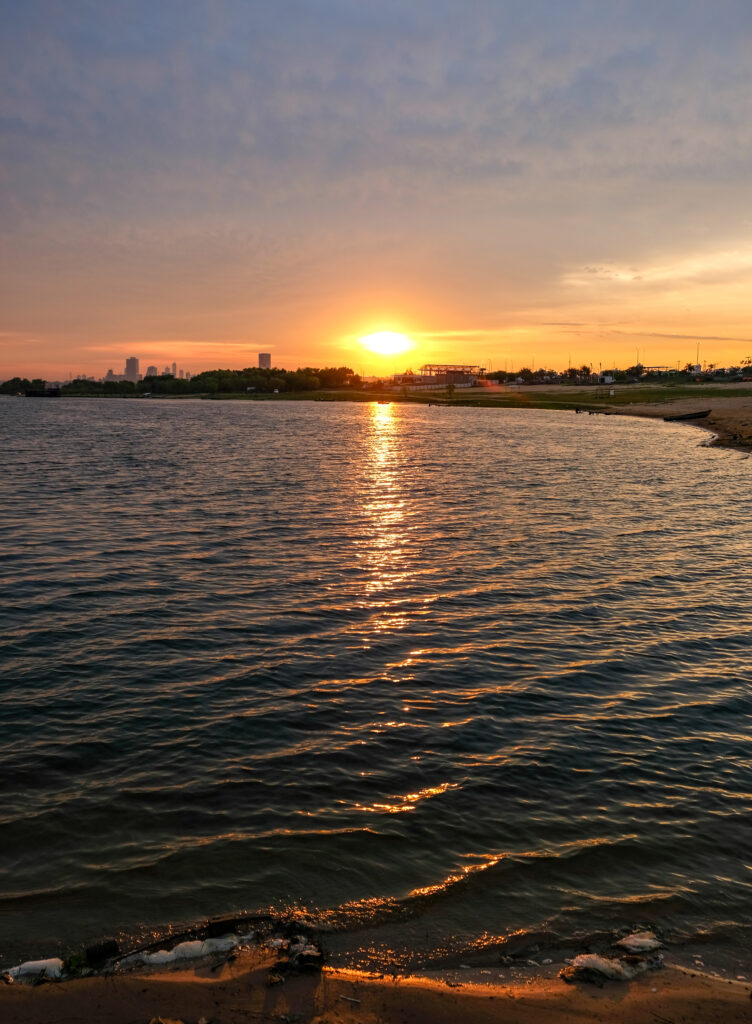
Calm golden waves
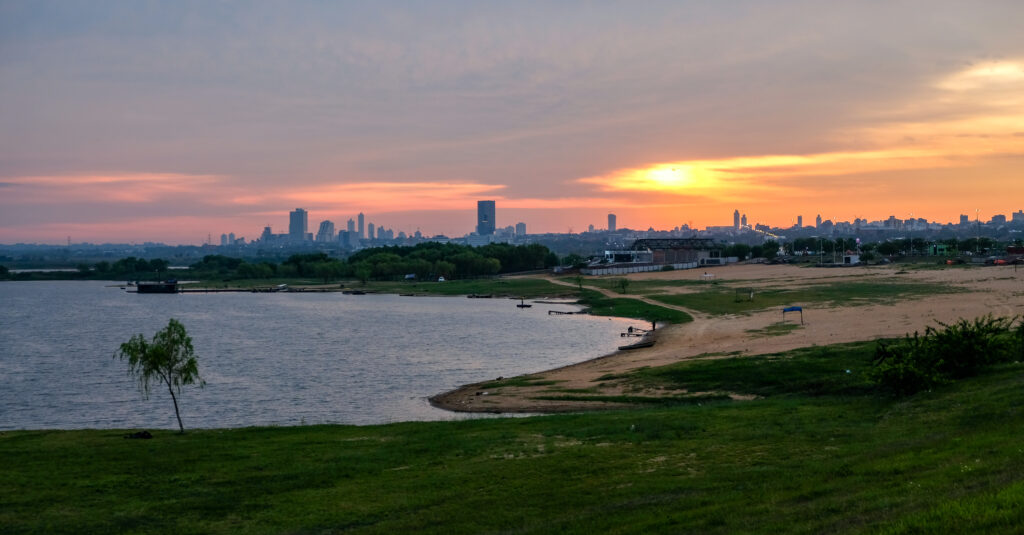
The city awakes from slumber
Strolling the Lawn of the Presidential Palace
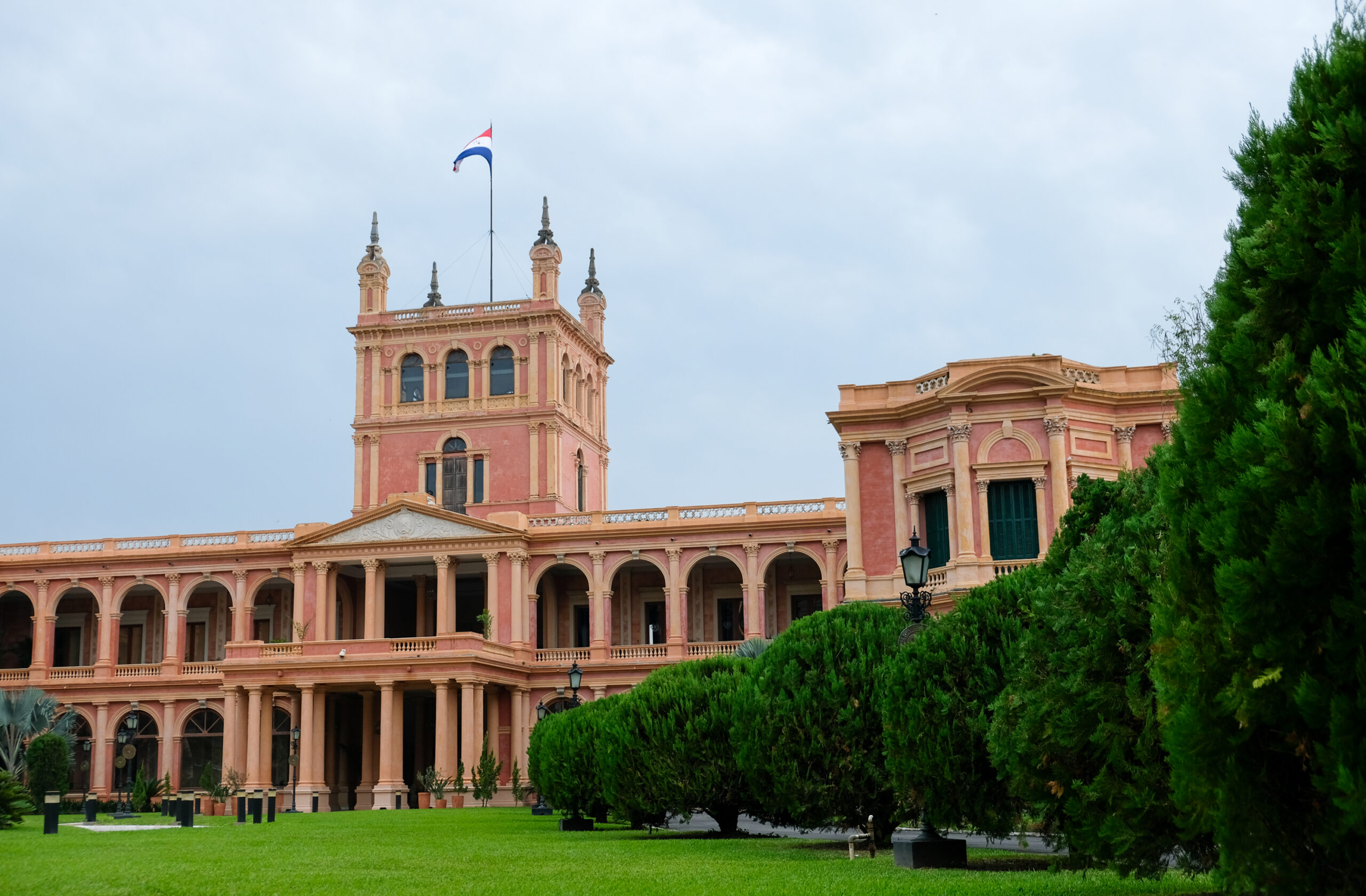
A short walk from the riverfront, the Palacio de los López is a neoclassical building completed in 1894 and still the working seat of the Paraguayan government. The palace takes its name from the Lopez family, considered the founders of the modern republic in the mid 19th century. Armed guards keeping watch ensured I couldn’t enter, but I still appreciated the building from the grassy lawn outside. The well manicured lawn framed the pink and yellow hued facade of the palace well.
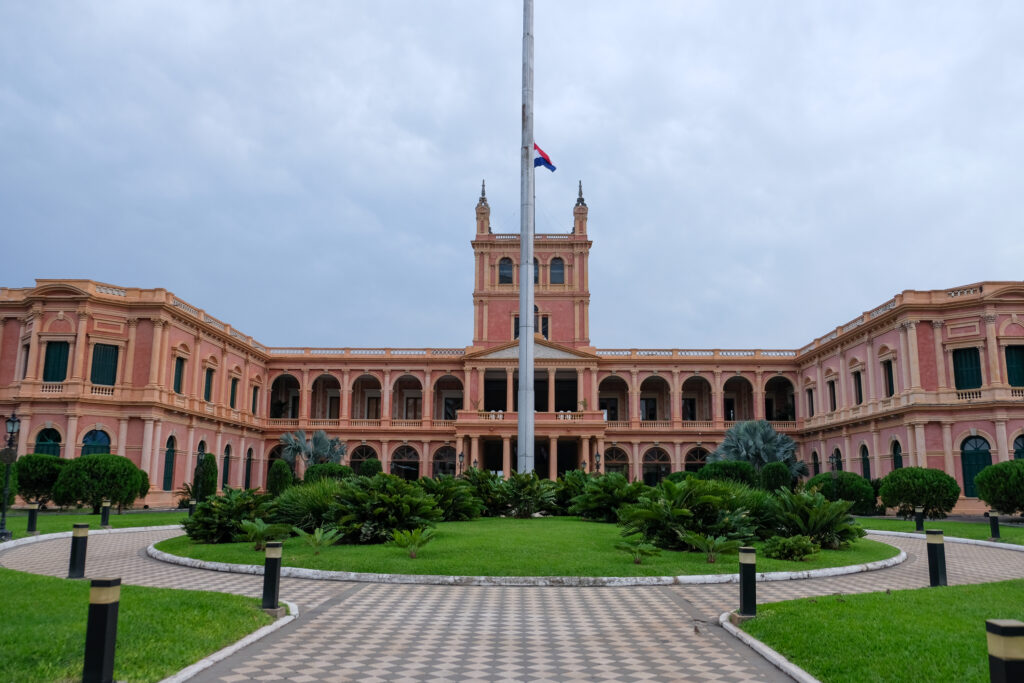
Colonnaded facade of the palace entrance
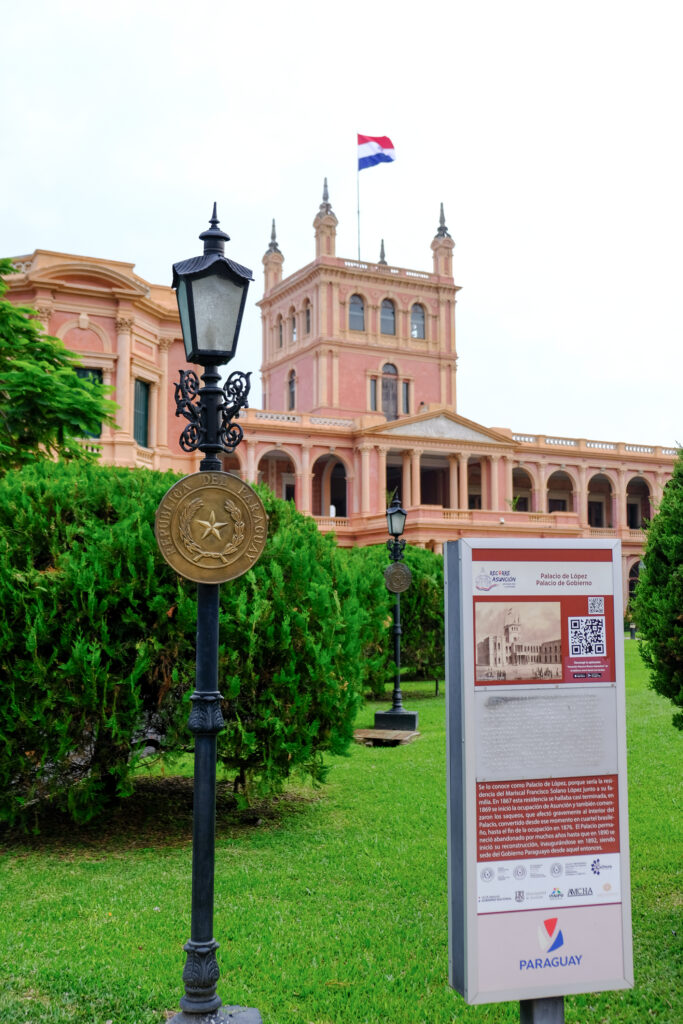
The palace is a designated historical heritage site, with tours offered during weekdays
Catching the Changing of the Guard at the Pantheon of National Heroes
A few blocks inland, the Pantéon Nacional de los Héroes is the most striking building in the city centre – a domed white marble structure modelled loosely on Les Invalides in Paris, housing the remains of Paraguay’s presidents and military heroes. I was fortunate that my arrival coincided with the changing of the guard, a formal ceremony held every hour. The building also contains a chapel dedicated to – in keeping with the city’s founding theme – the Assumption of Mary.
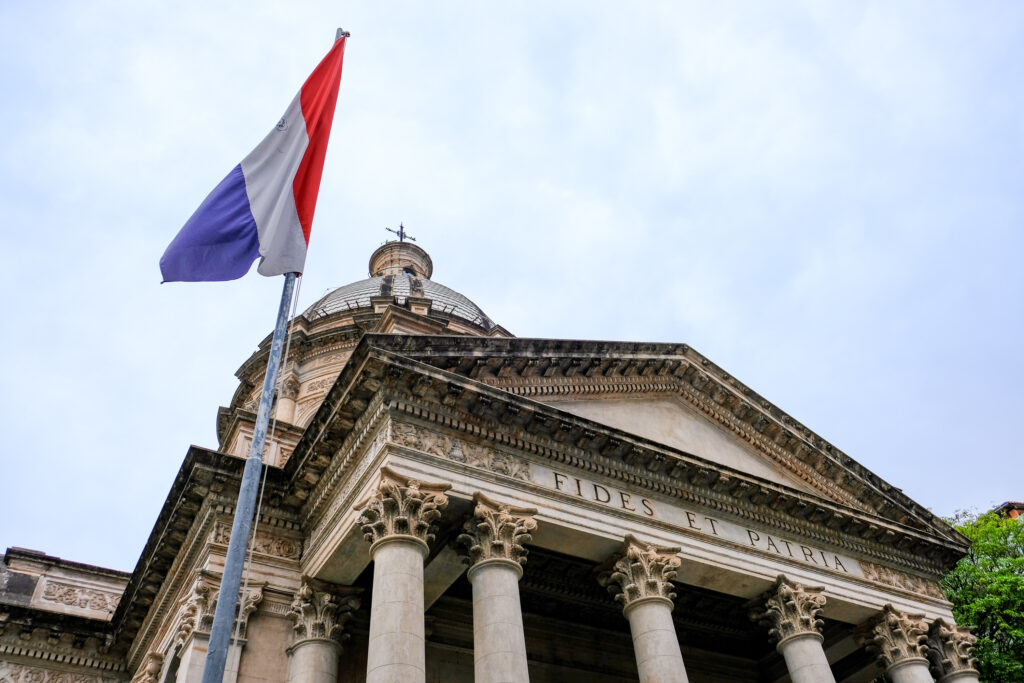
‘Fides et Patria’ – Faith and Country
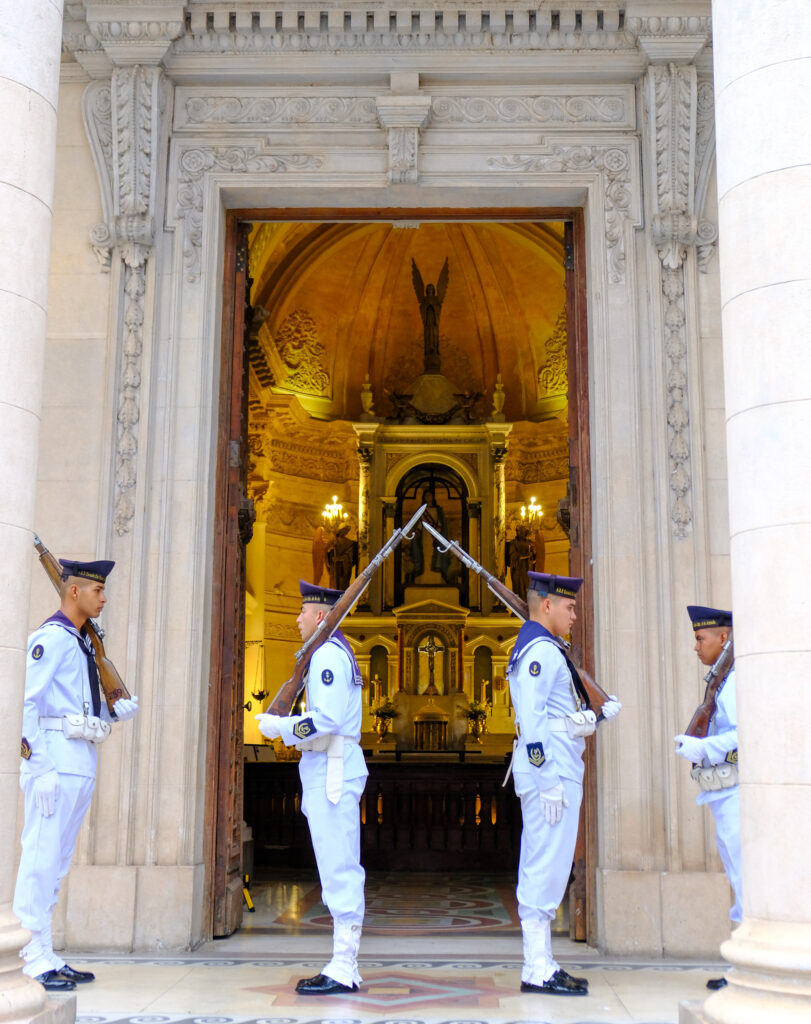
No pleasantries were exchanged before they swapped spots
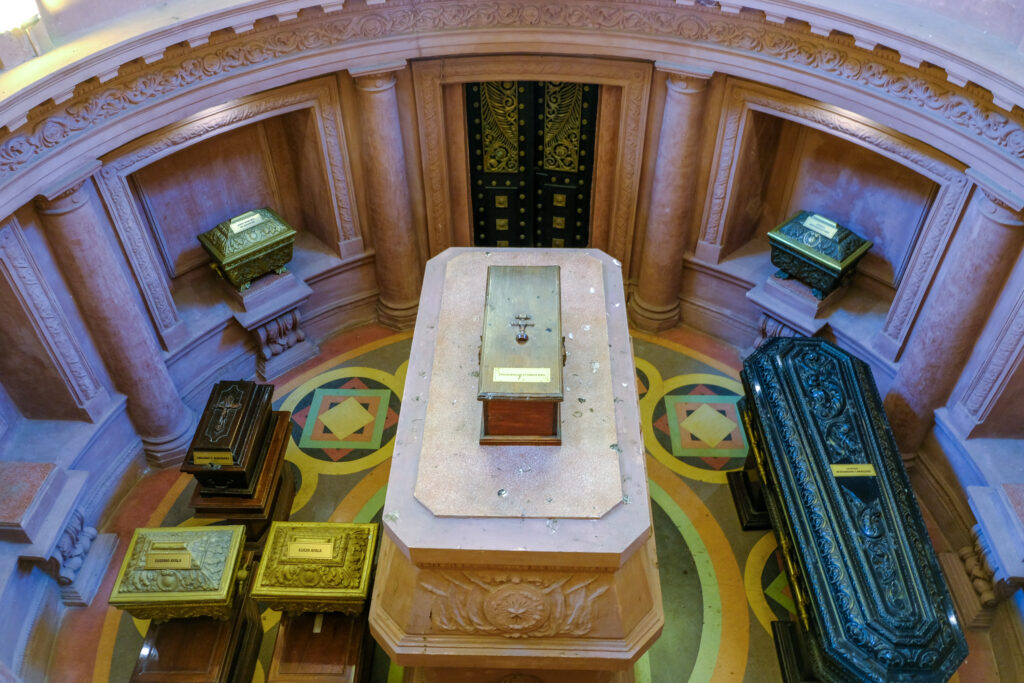
Crypt with the remains of famous Paraguayan leaders
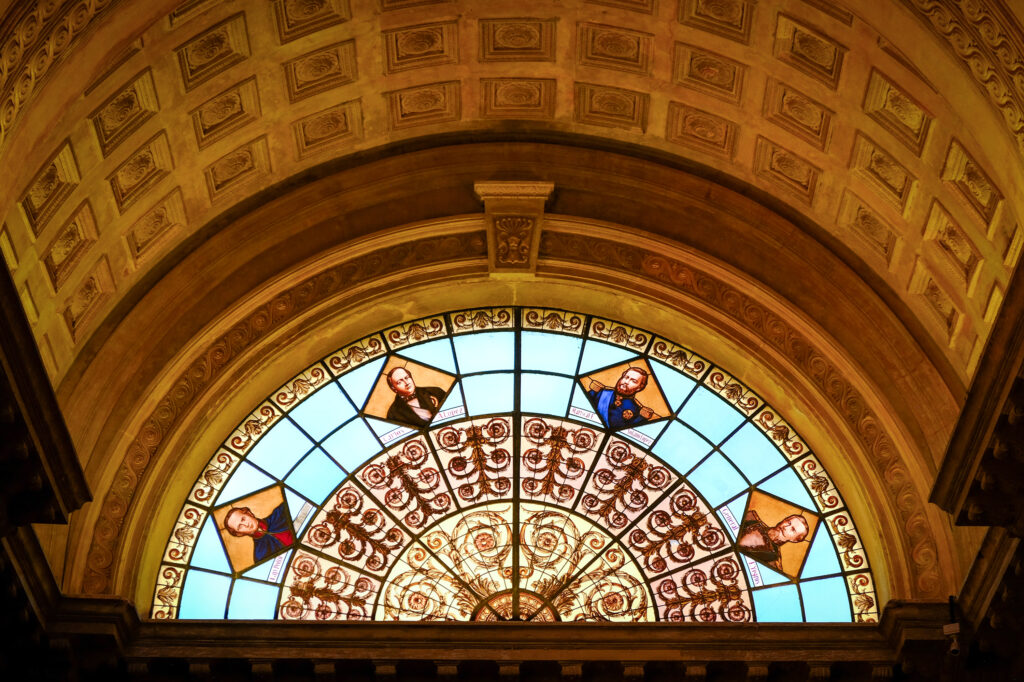
Mugshots of the first four presidents on the stained glass archway
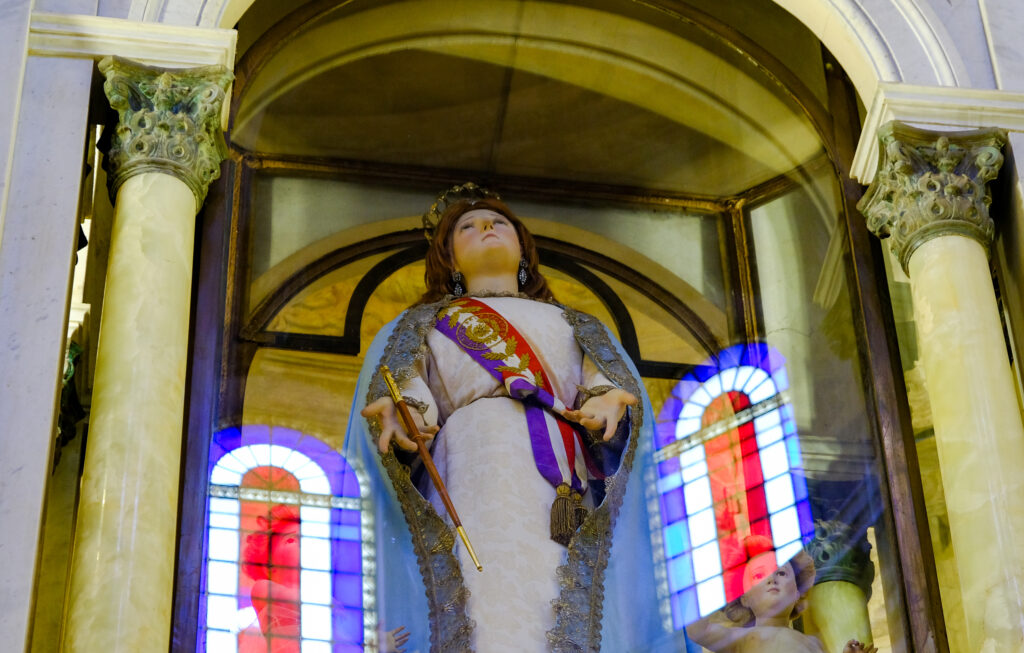
Mary of the Assumption – patron saint of Asuncion and Paraguay
Stopping by the House of Independence
The Casa de la Independencia is a rather unimpressive modest colonial building dating from 1772, and one of the few remaining structures of its era in the city. It was here that conspirators held their clandestine meetings to plot for Paraguayan independence from Spain, leading to a bloodless coup on 14 May 1881.
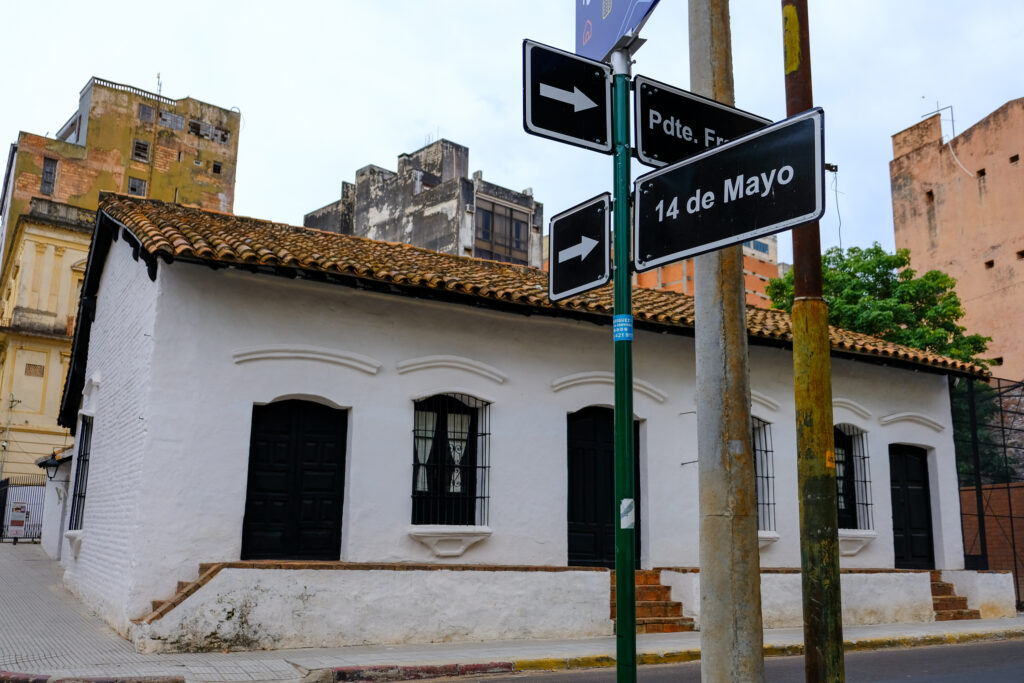
Street named in commemoration of the fateful night of 14th May 1811
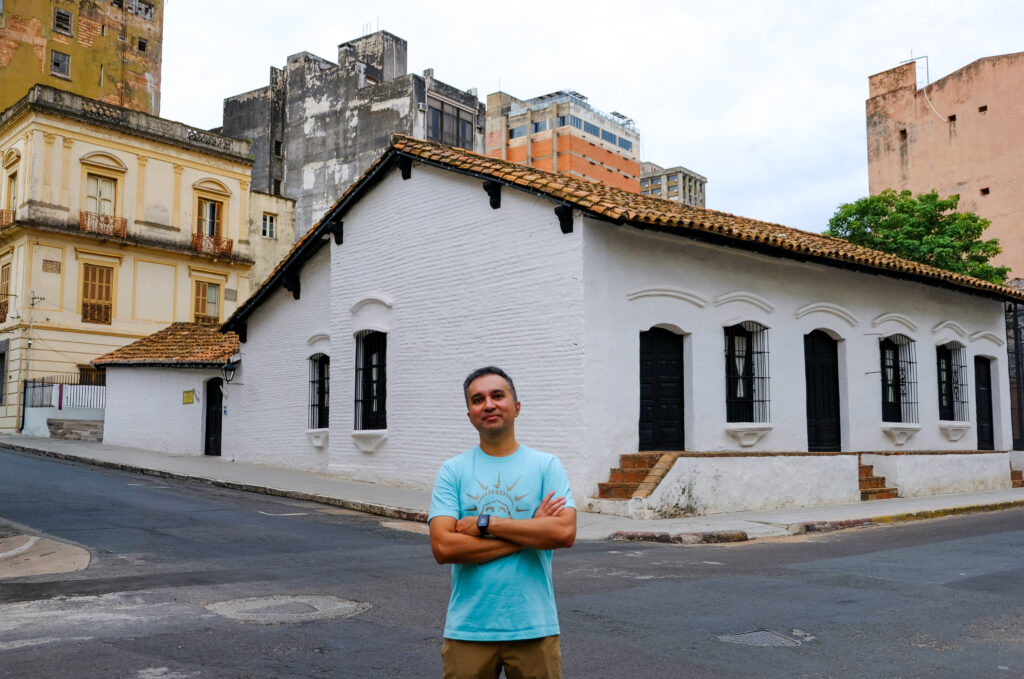
Nondescript building with huge historic significance for the people of Paraguay
Attending Mass at the Cathedral of the Assumption
The Catedral Metropolitana de Nuestra Señora de la Asunción sits on Plaza de la Constitución, a square in the heart of the old city. The current building dates from the 19th century, built on the site of the original 16th-century church. I attended a sunday morning Spanish mass, all the while admiring the elaborate gilded woodwork decorations, silver altar, and uniquely striped ceiling. The cool climes of the cathedral also provided a welcome break from the sultry heat that had already kicked into gear outside.
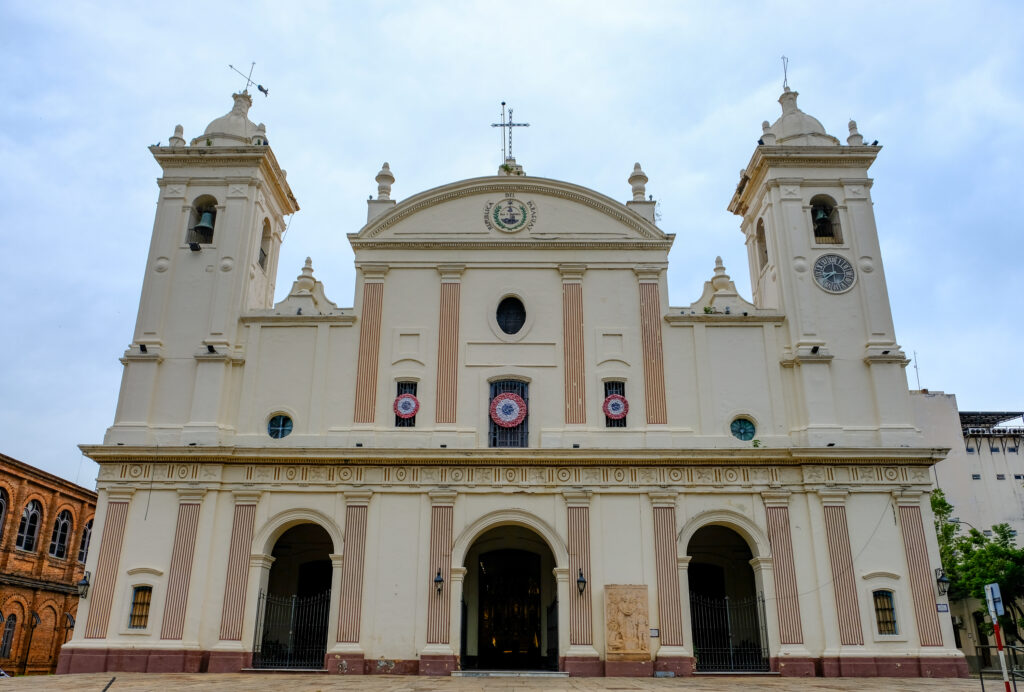
Rather blocky and unadorned exterior
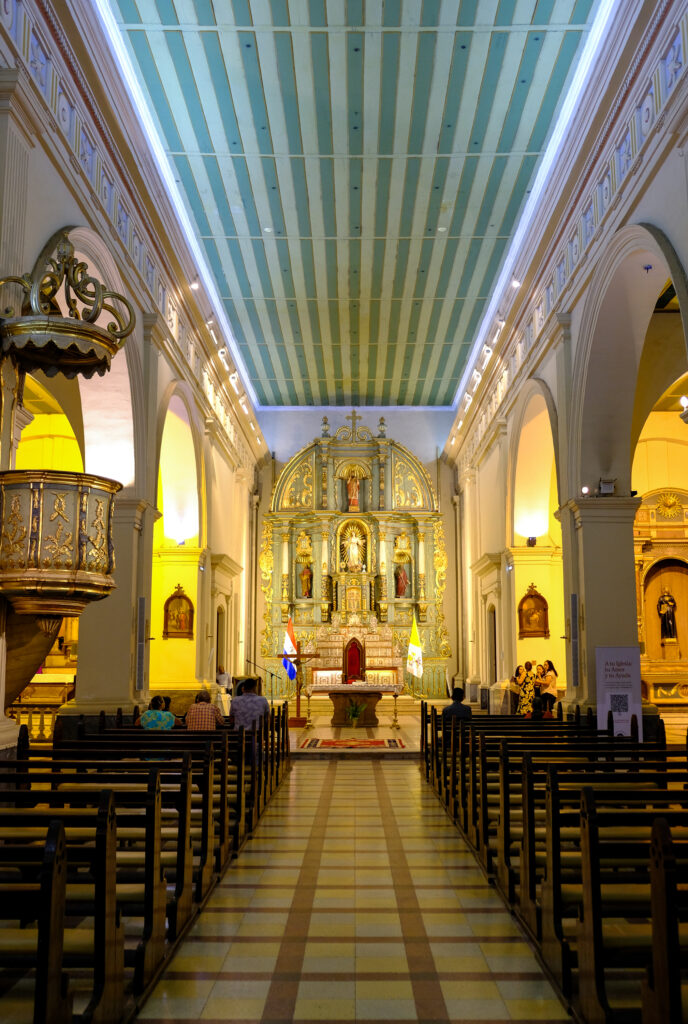
Interior beauty makes up for the drab exterior
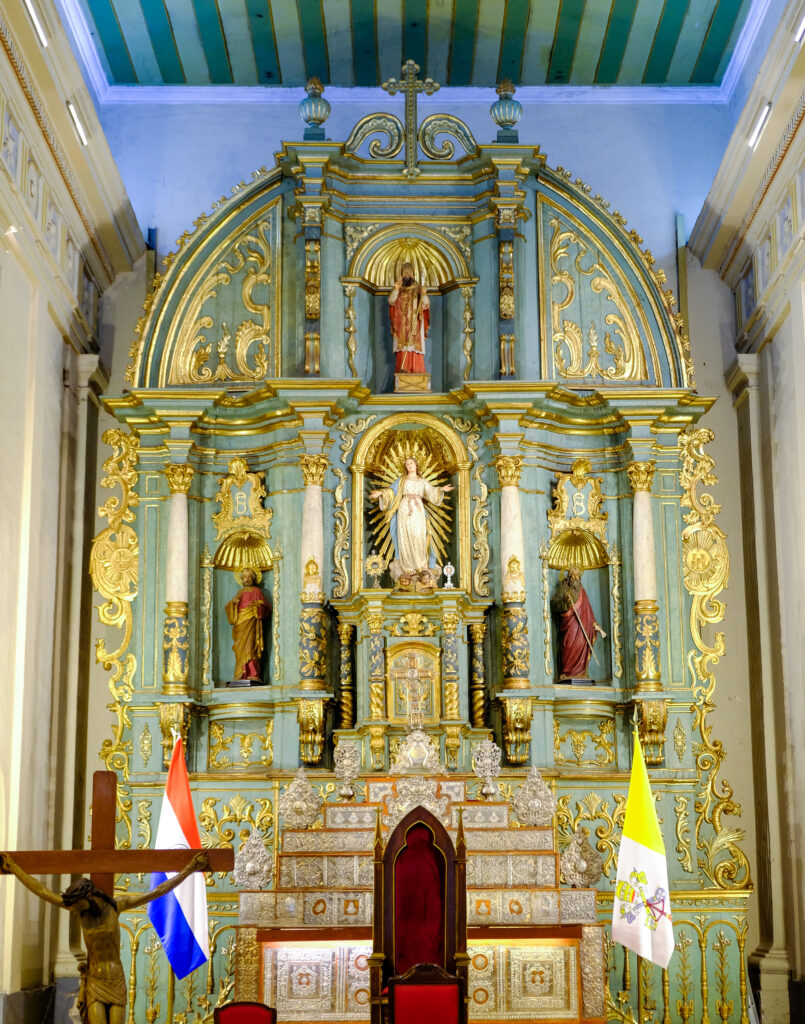
Silver altar visible behind the bishop’s red chair
Climbing Aboard Centuries Old Carriages at the Railway Museum
Paraguay was the first South American country to build a state owned railway, and the Museo Ferroviario is the best place to learn about that endeavor. The museum houses an original steam locomotive and a couple of wooden passenger carriages dating back nearly 200 years. I gingerly climbed aboard one carriage for a peek into what rail travel looked like all those years ago.
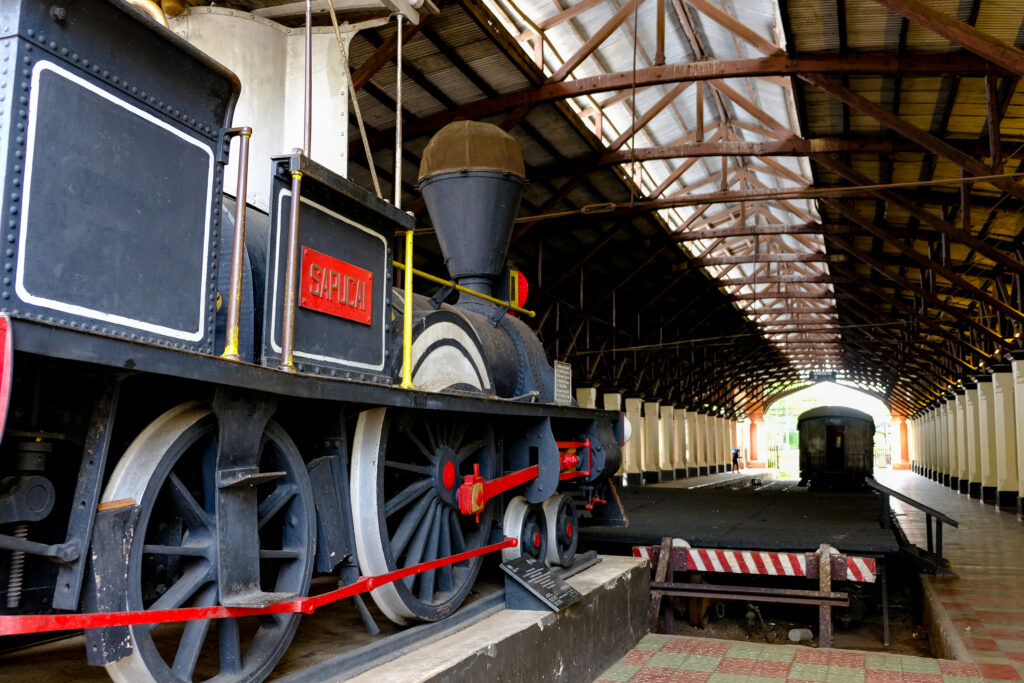
A train thats going nowhere
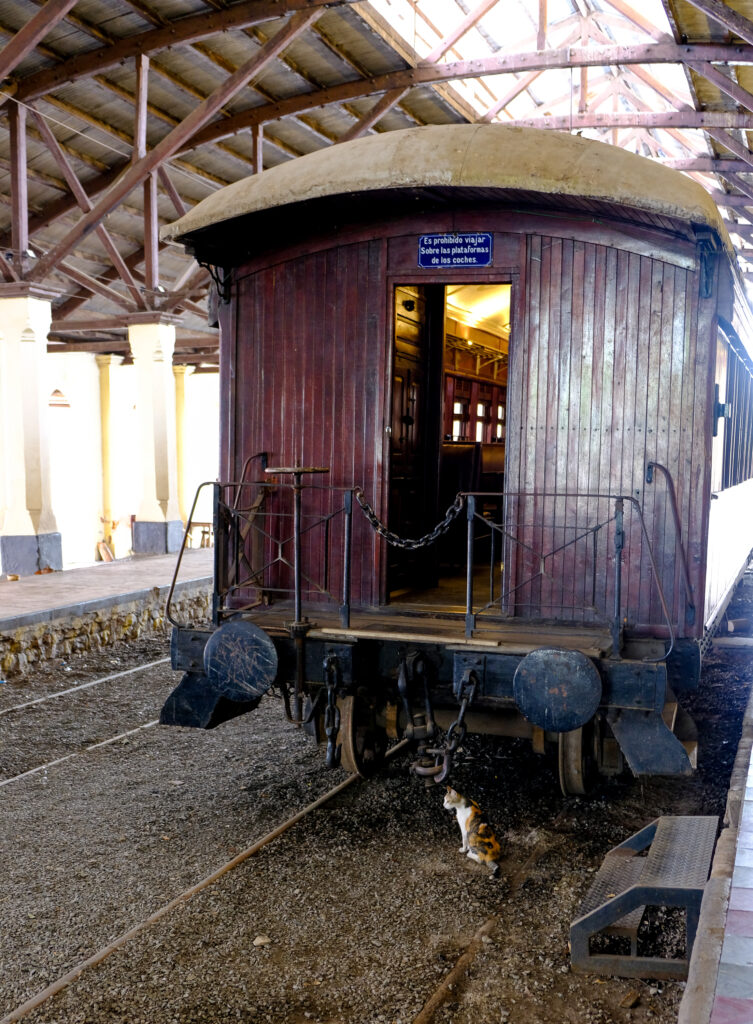
A feline welcome party awaits for this carriage
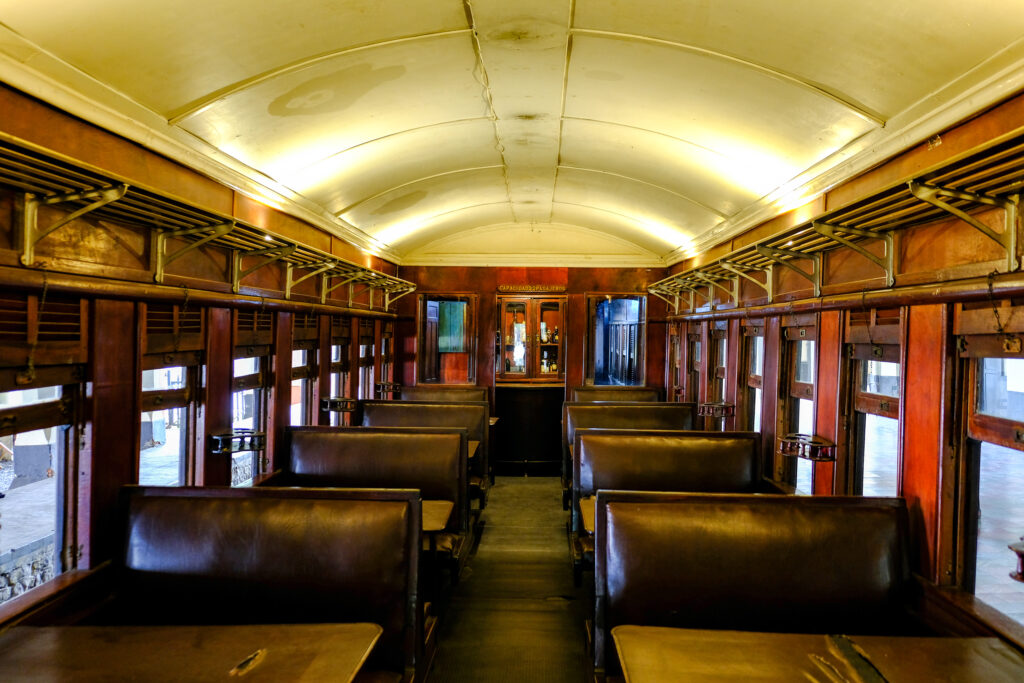
Interior of teh coach, largely unchanged from what it looked like centuries ago
Hunting in Vain for Elusive Yerba Mate
All morning I had seen locals walking along cradling a guampa – a curved cup with a bent metal straw – sipping mate, a bitter infusion of dried yerba leaves. I searched several cafes hoping to try a taste of this native alternative to coffee, but it seemed that mate preparation was a home ritual, not something available curious tourists.
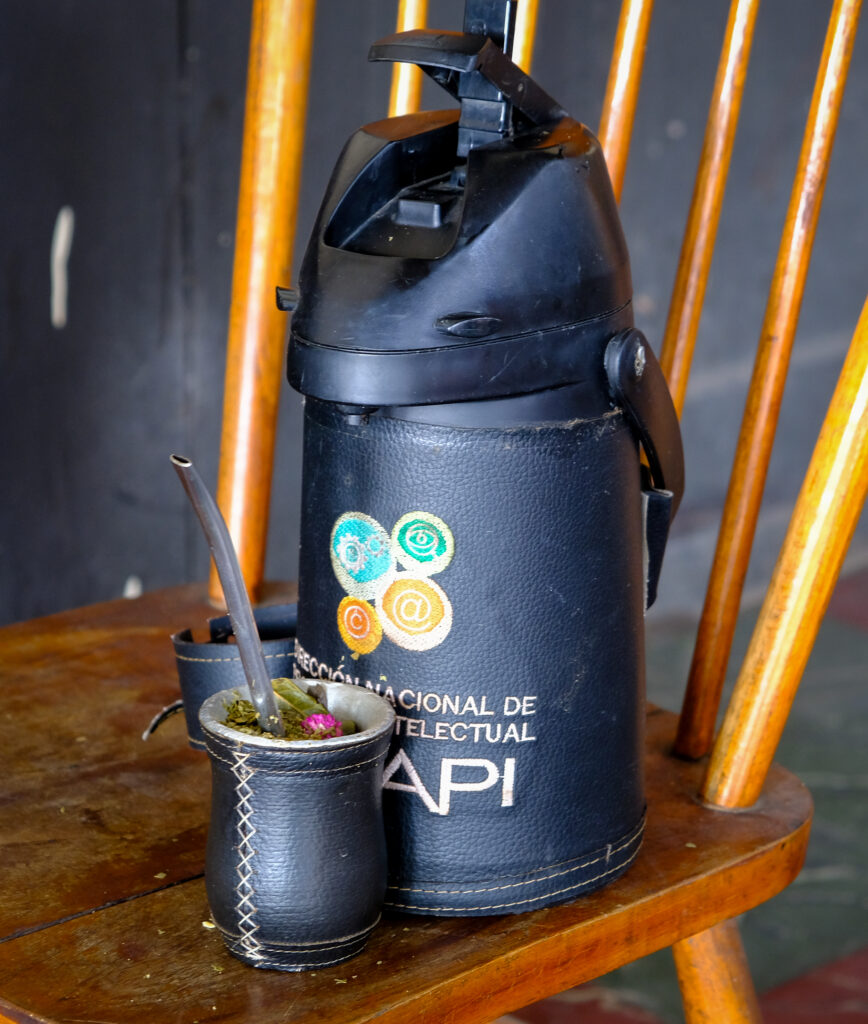
The quintessential mate set up
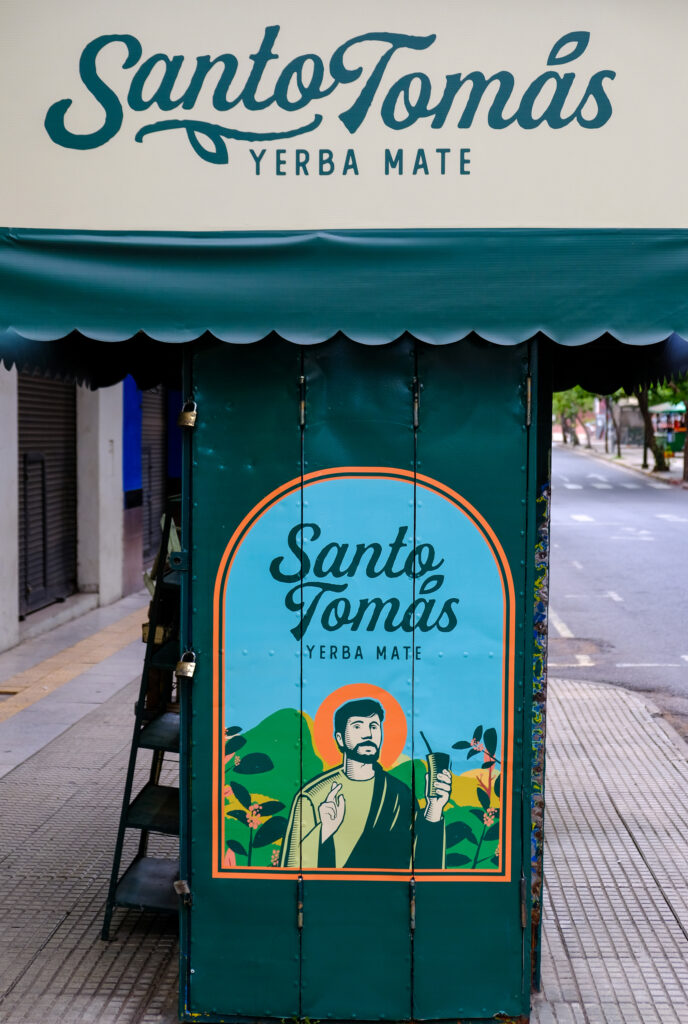
Even the doubting St Thomas approves, apparently.



Leave a Reply
Please share your comments below!