
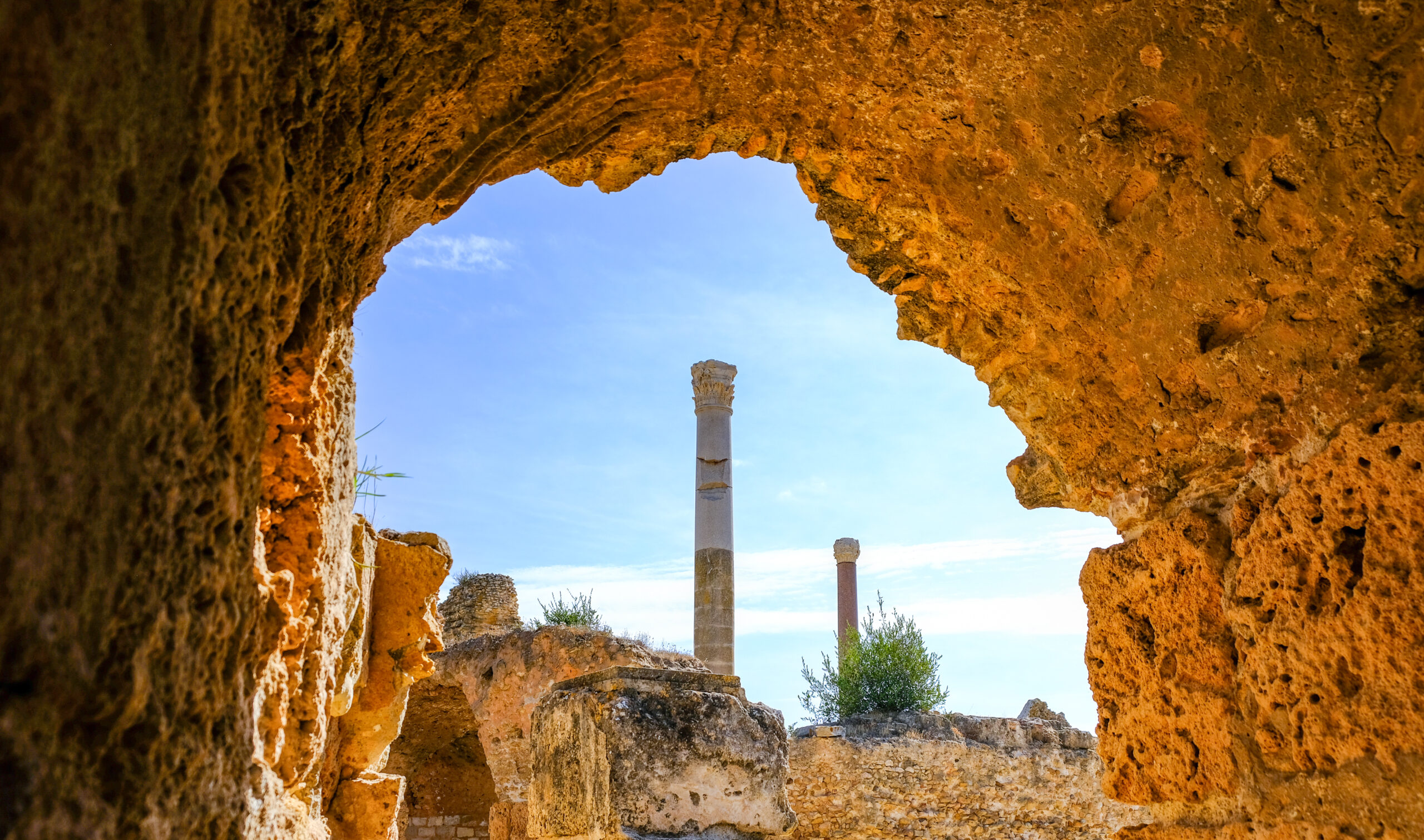
Tunisia may be the smallest country in North Africa, but it is home to Cape Angela, the northernmost point on the entire African continent. Its capital, Tunis, gave the country its name and has been shaped by Phoenician settlers and Roman, Arab, Ottoman and French invaders over nearly three millennia. After wrapping up a work trip to Morocco, I hopped across North Africa for a whirlwind solo weekend in Tunis, determined to cover as much historical ground as I could. Tunisia also marked a personal milestone – my 100th country visited!
Below are my top 7 recommendations on how to peel back the layers of timeless Tunis.
1. Get Your Fill of Antiquity at the Bardo Museum
The Bardo National Museum was the first stop on my explorations of Tunisia’s ancient Roman past. The museum occupies a former palace of the Beys, the Ottoman-era rulers of Tunisia, in a western suburb of the capital. It is considered the largest collection of Roman mosaics in the world, rescued from excavations at Carthage and other sites around the country, where wealthy Roman families once used them to decorate their villas. There are also some sculptures and treasures from the earlier Phoenician era, but the Roman mosaics take center stage and much of the space. Some of the massive mosaics stretch across entire walls and floors, with scenes of gods, hunters and sea creatures pieced together from thousands of tiny colored stones. What an incredible time capsule of Roman life, with some mosaics dating back more than 1,800 years. I definitely got my fill of antiquity and then some, to the point of mosaic fatigue.
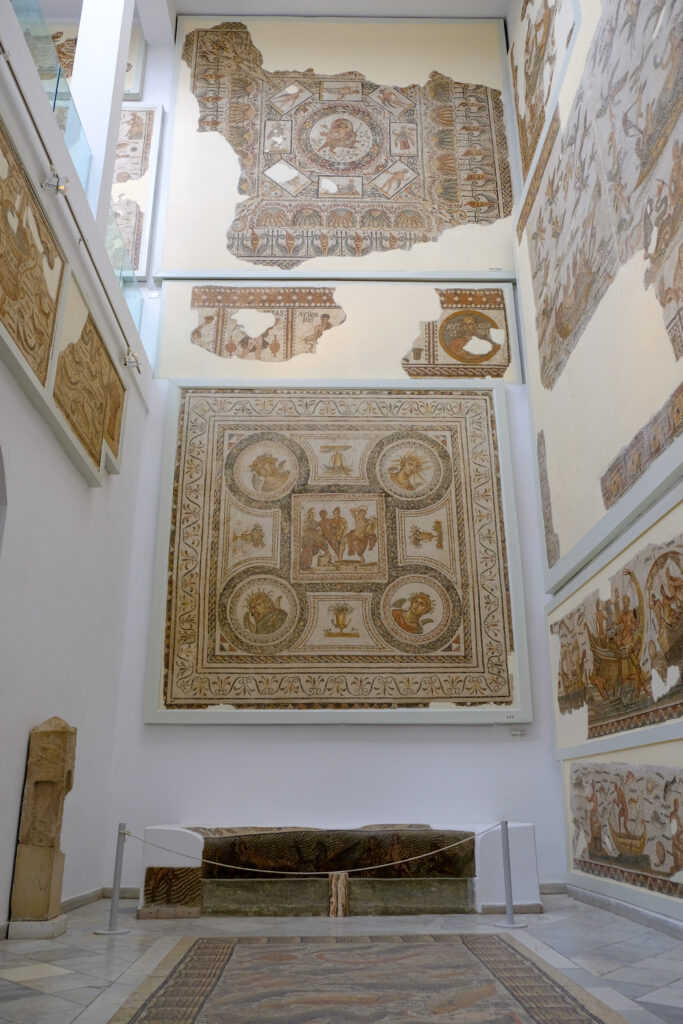
Multiple floors of mosaics
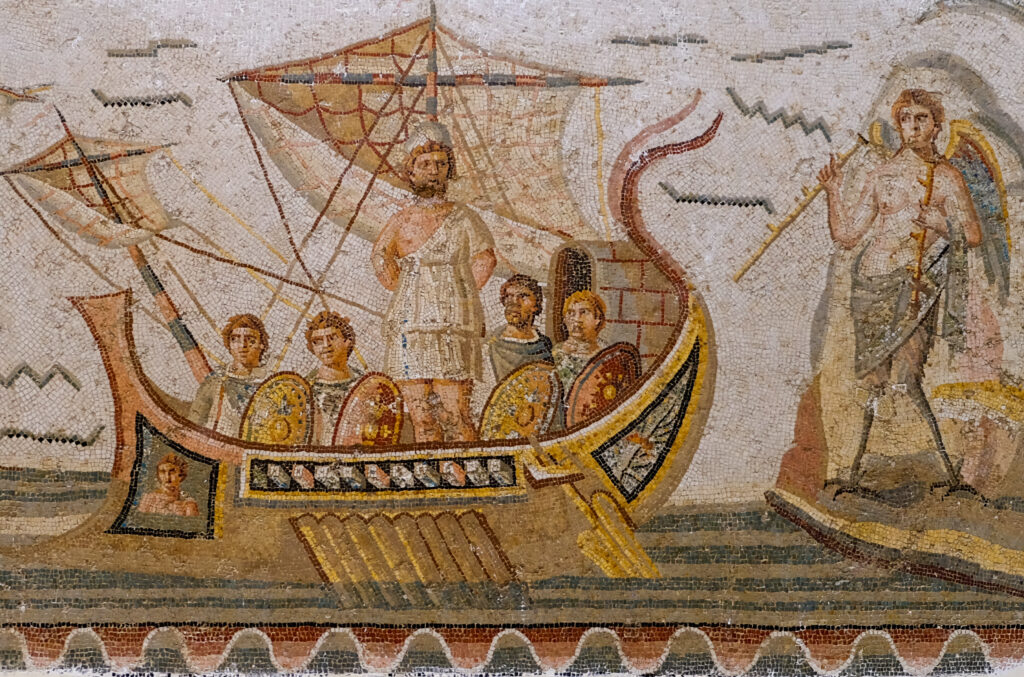
Scene from the Odyssey – of Odysseus resisting the sirens
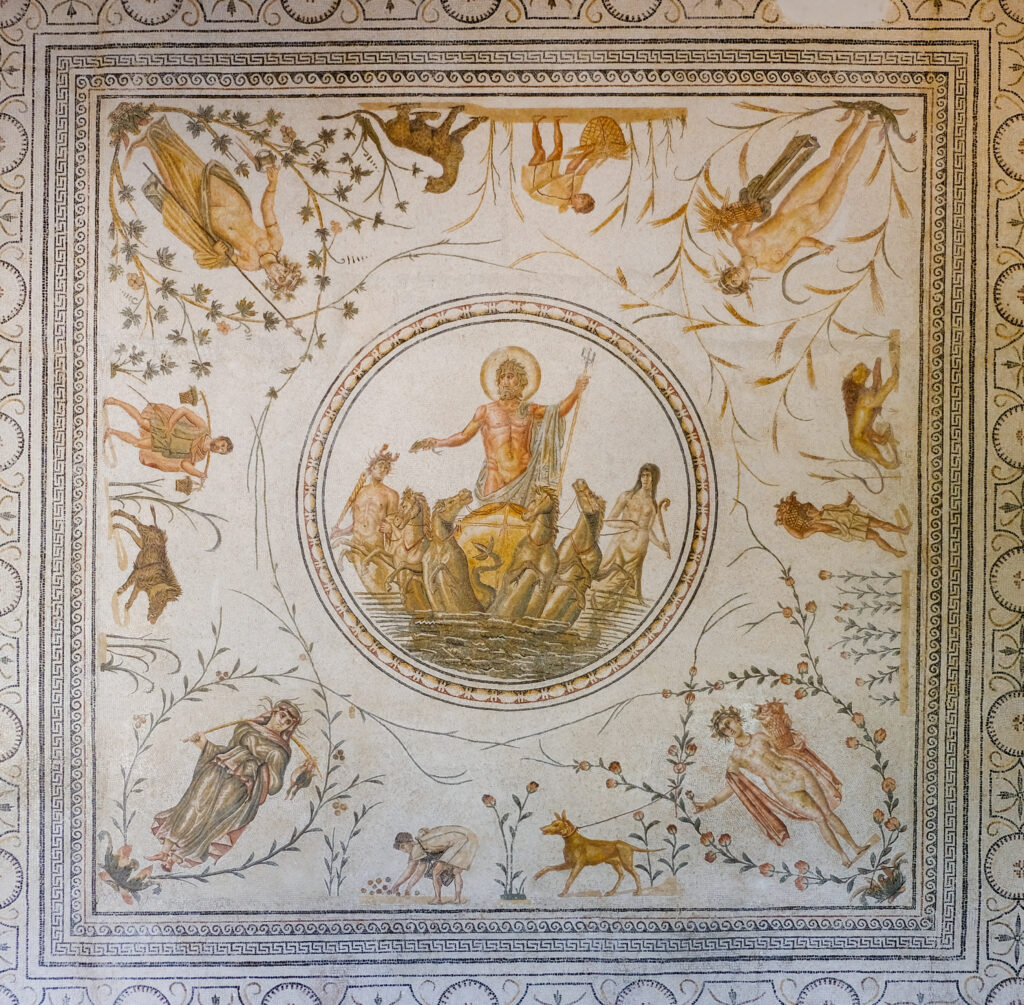
Neptune and the four seasons
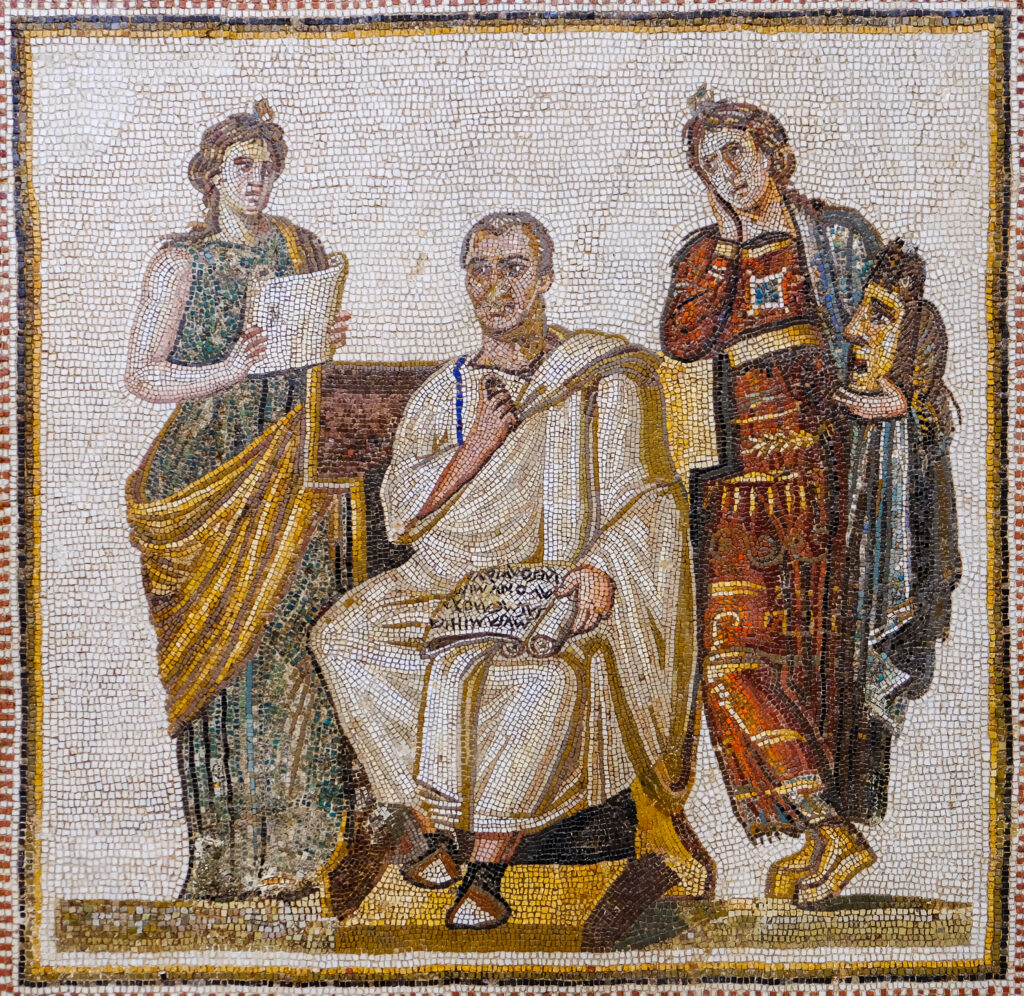
Only known surviving mosaic of Roman poet Virgil
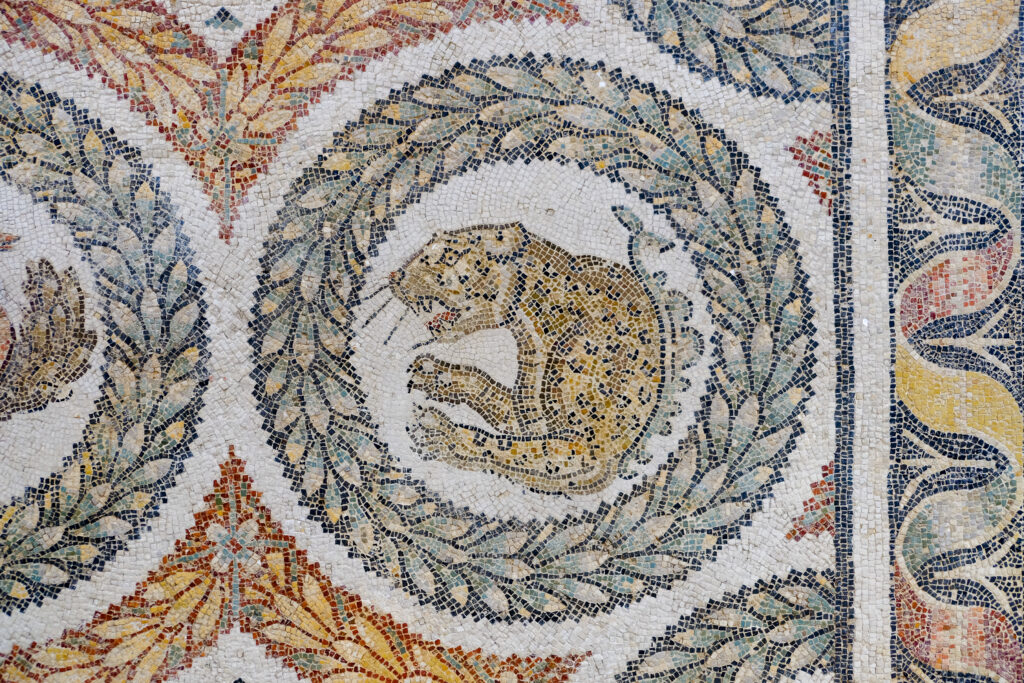
Vivid scenes from nature
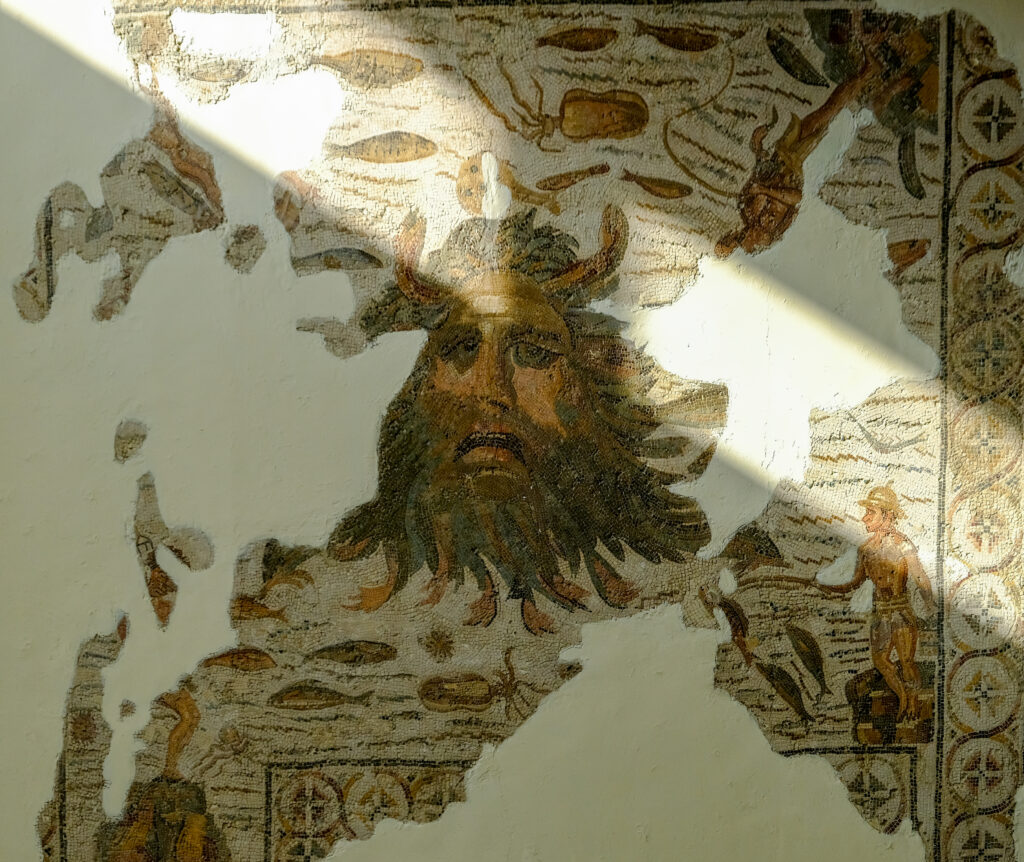
Why so sad?
2. Lose yourself in the Souks of the Medina en route to Zitouna mosque
The Medina (old town) of Tunis is the historic heart of the city and a UNESCO World Heritage Site, and it still boasts thriving souks. I wandered through the maze of lanes and alleyways in the souks, admiring the chechias (traditional Tunisian red felt caps) and jewelry shops while batting away the ever-persistent perfume and trinket sellers at every step. My destination was the Zitouna Mosque, which sits at the center of the Medina. The mosque’s minaret towers over the surrounding rooftops and is a distinctive landmark of Tunis. I didn’t enter the prayer hall itself, but still admired the central colonnaded courtyard amid the faithful and ever-present pigeons.
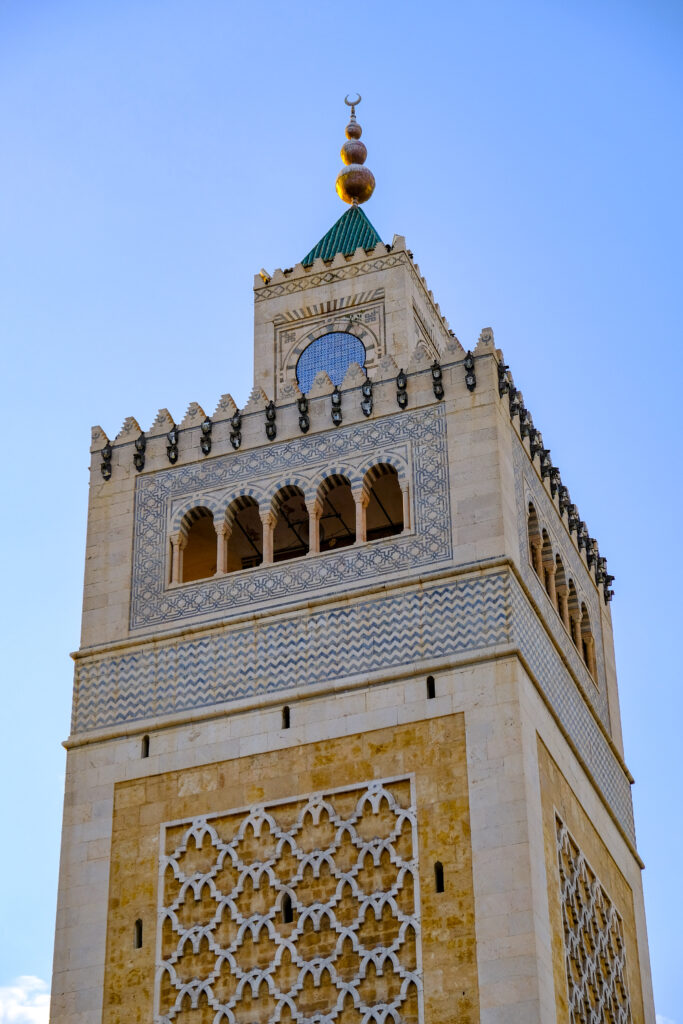
Tile lined minaret of Zitouna mosque
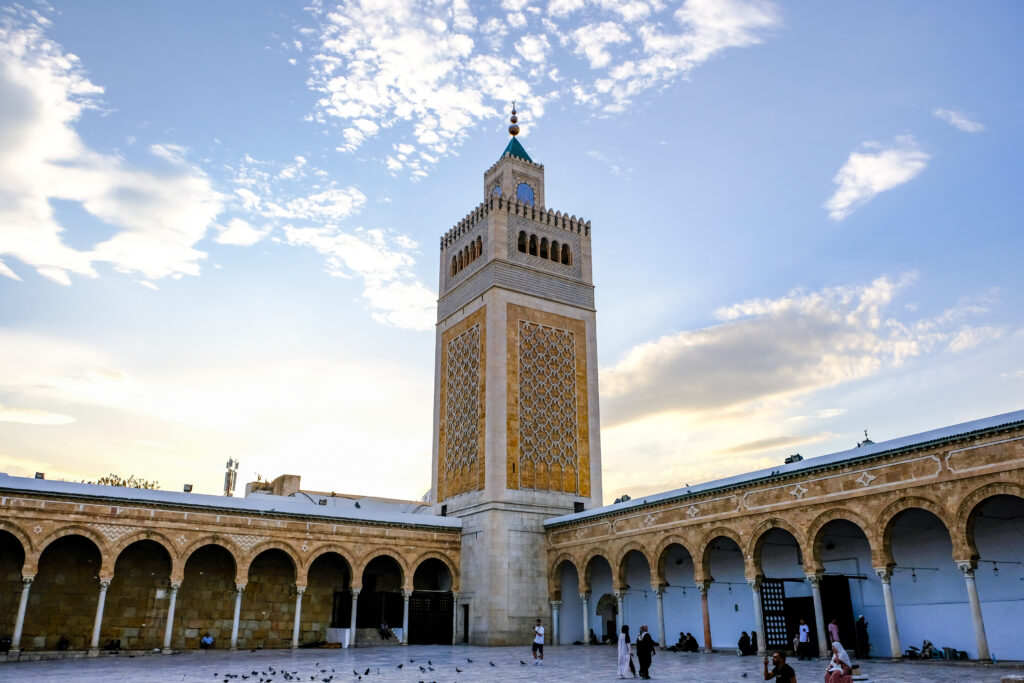
The main courtyard
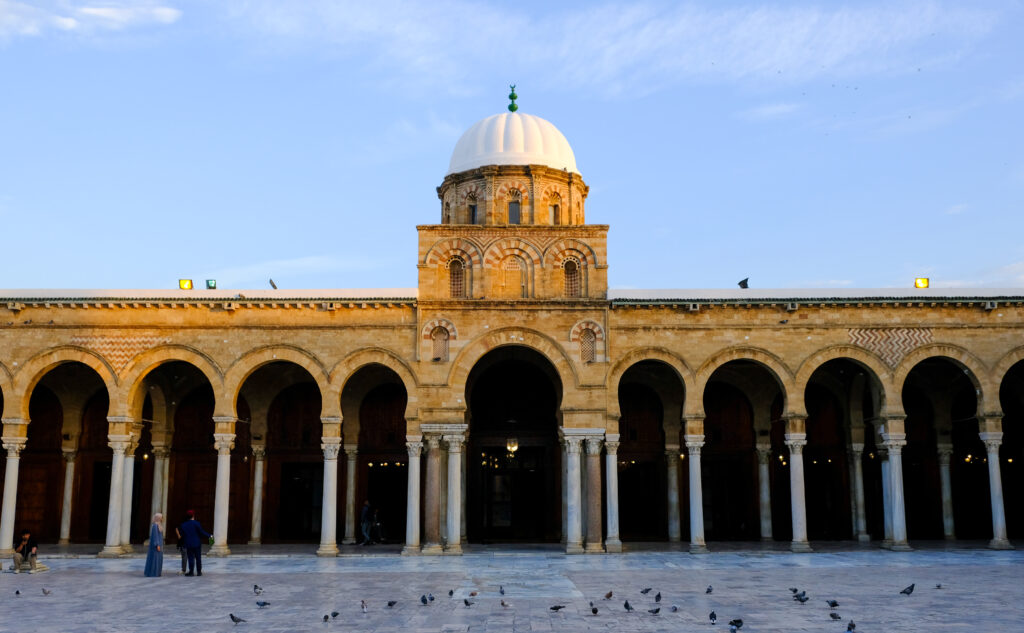
View of the colonnaded entrance to the main prayer hall
3. Explore the Ruins of Carthage
According to tradition, Carthage was founded in 814 BC by Queen Elissa (known as Dido to the Romans) and her band of Phoenician settlers from Tyre. It grew into a seafaring superpower whose expanding reach put it at loggerheads with the up-and-coming Romans, and three Punic Wars followed over more than a century. The most dramatic chapter belonged to Hannibal, one of history’s finest generals, who incredulously marched war elephants over the Alps to take the fight into Italy. Rome prevailed in the end, razing Carthage to the ground in 146 BC. A century later, it rebuilt the city from scratch as the capital of its African province.
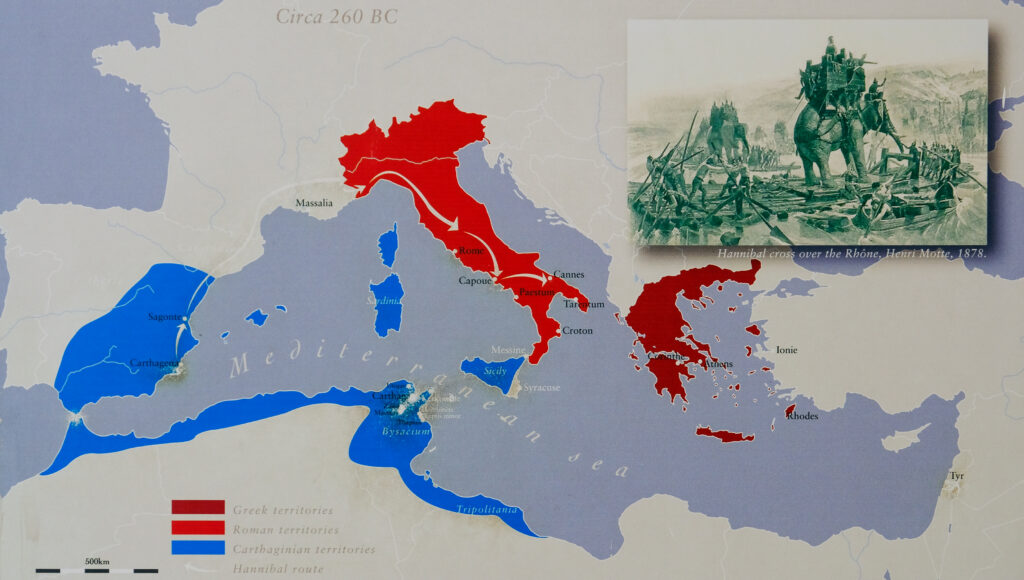
Carthage and its territories (in blue) at the height of its powers, before the punic wars
Today the UNESCO listed site is a sprawl of Roman ruins and a handful of Phoenician monuments. I started on Byrsa Hill, where the Roman Capitol once stood, then worked my way through the Antonine Baths (the largest Roman baths in Africa), the Roman theater (still in use for summer festivals) and an aqueduct remnant. I capped off my history high at the Punic Ports and the Tophet of Salammbô (a Punic burial ground). Most of the ruins are mere shadows of their former glory, but it was fascinating to imagine this as the once thriving capital of a superpower that had kept mighty Rome awake at night.
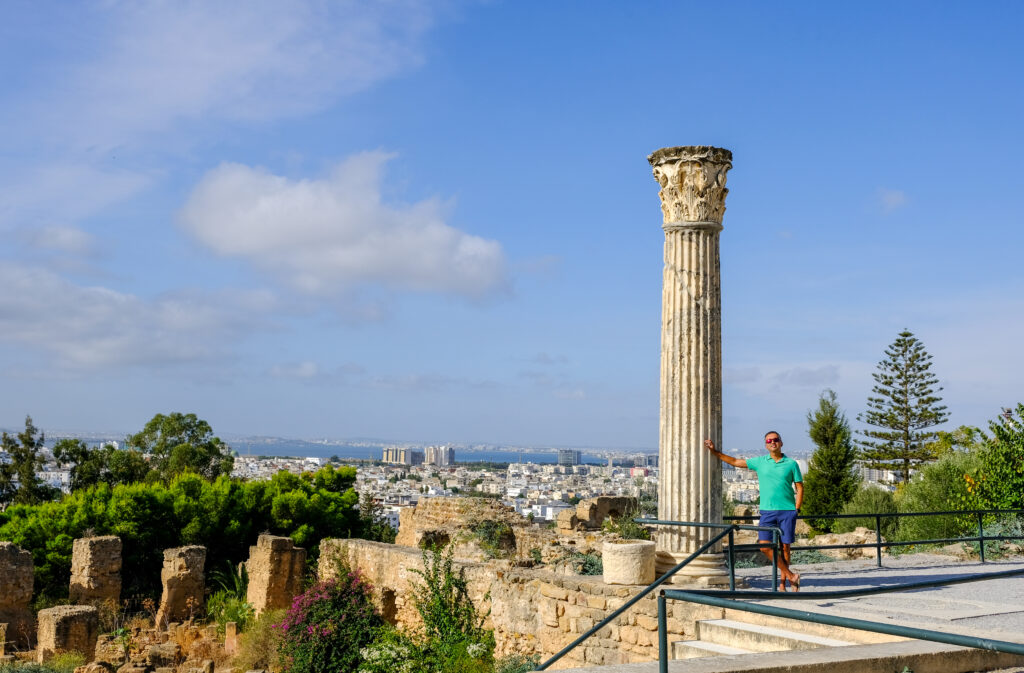
Sweeping views form the top of Byrsa hill
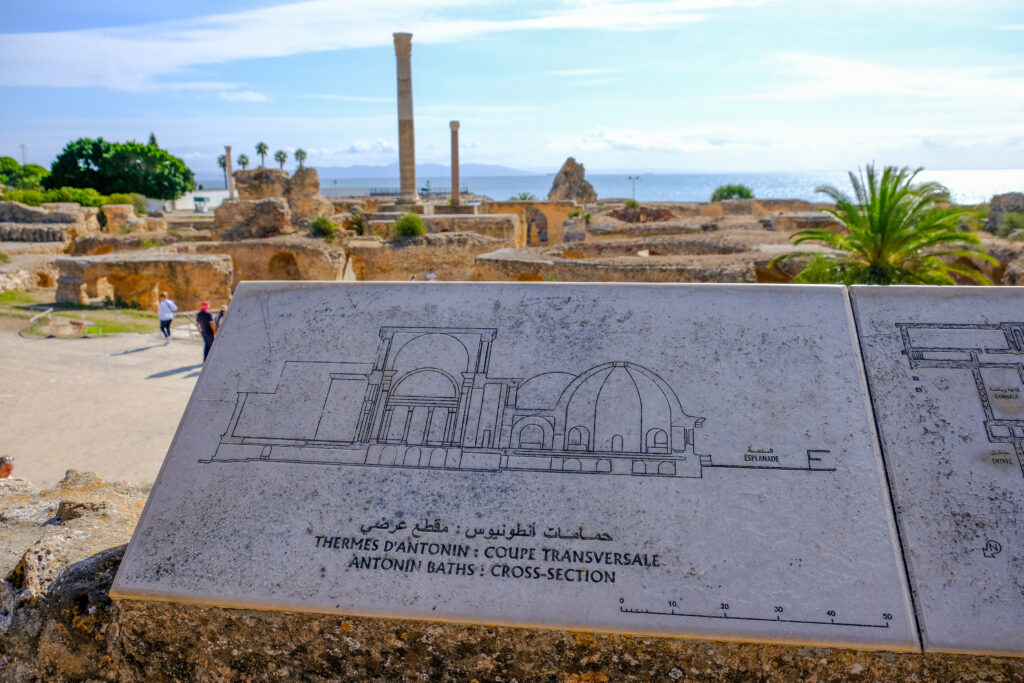
What the Baths of Antoninus looked like in Roman times
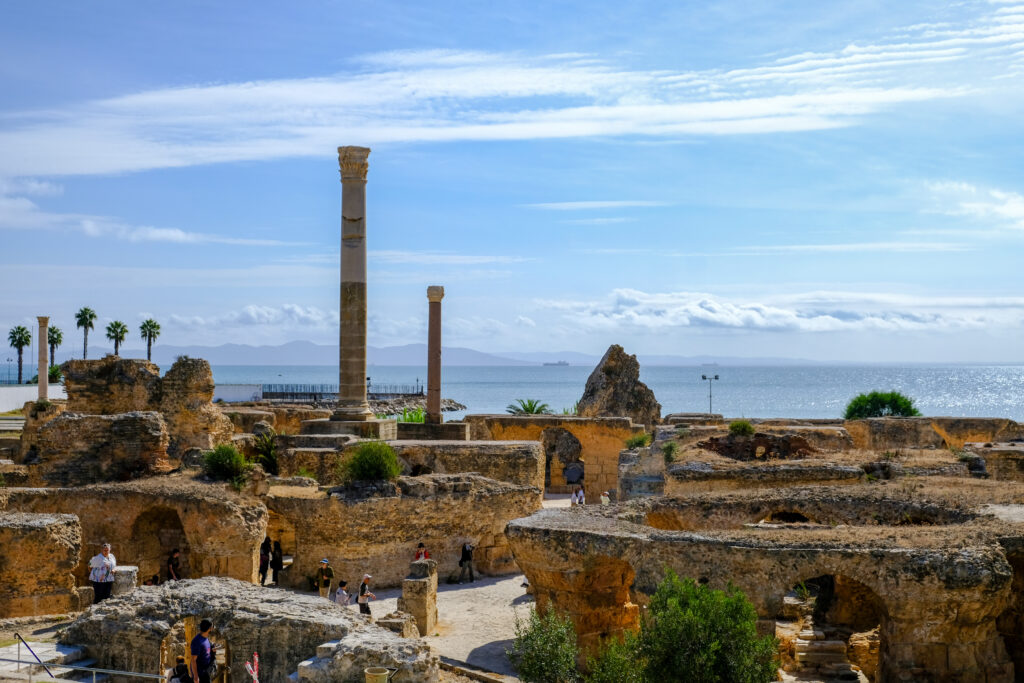
Ruins and Mediterranean views
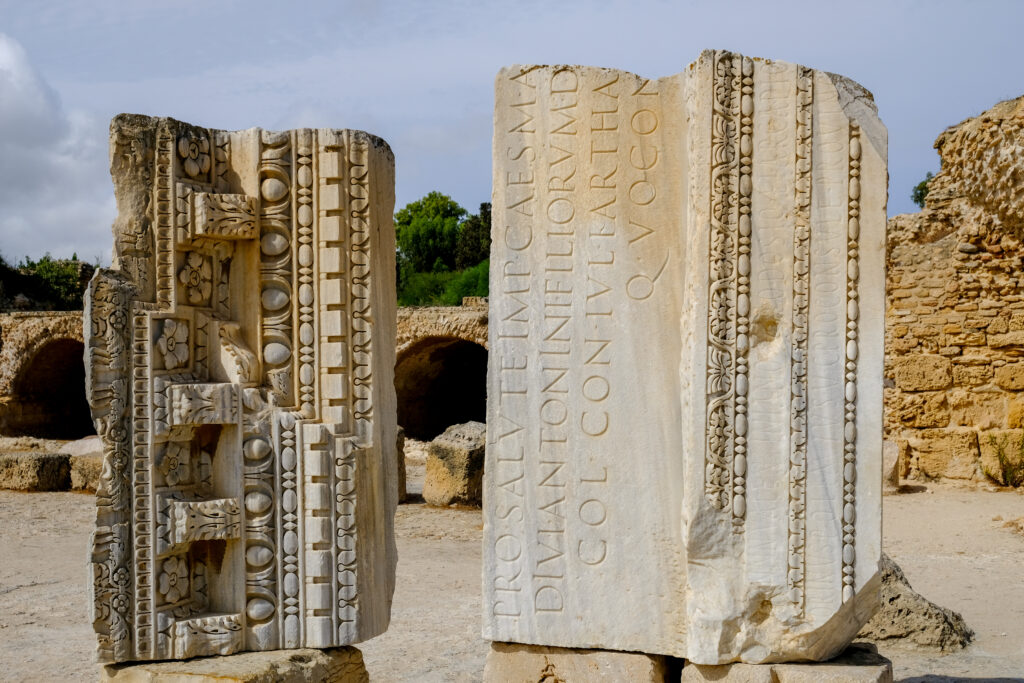
A few surviving inscriptions
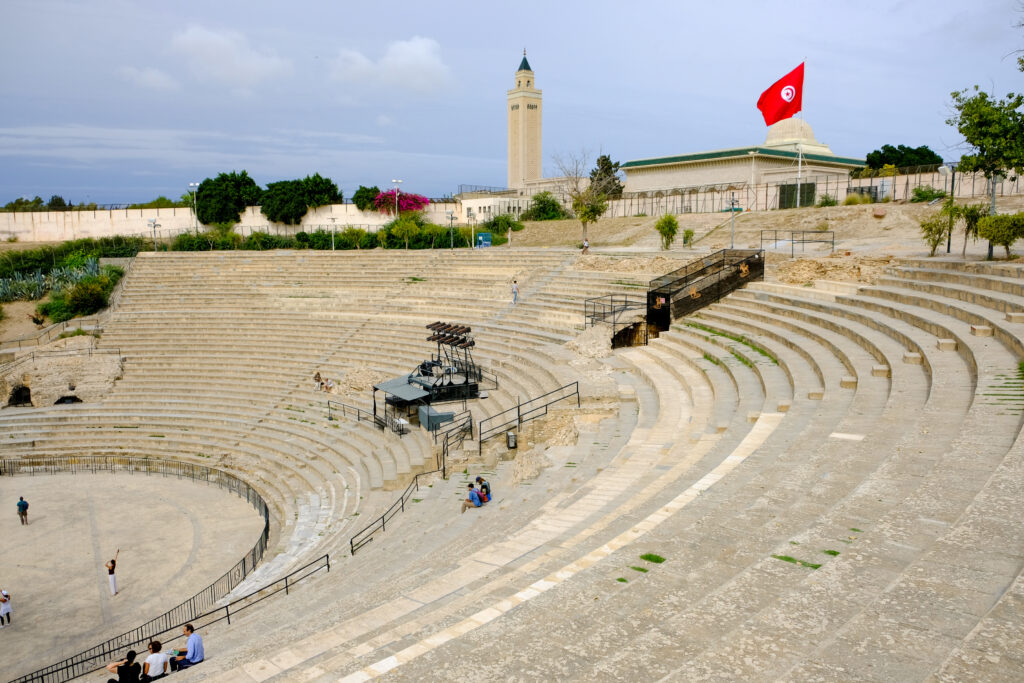
The restored and functional Roman Theater
4. Wander the Blue and White Lanes of Sidi Bou Said
Just a few minutes’ drive northeast of the Carthage ruins is one of the most visited spots around Tunis – the hillside village of Sidi Bou Said. Precariously perched on a clifftop overlooking the Gulf of Tunis, it is famous for its striking white and blue color scheme, which reminded me of the Greek island of Santorini. I wandered its steep cobbled lanes past cobalt blue doors and colorful bougainvillea spilling over the whitewashed walls, despite the warnings of my suffering glutes and knees.
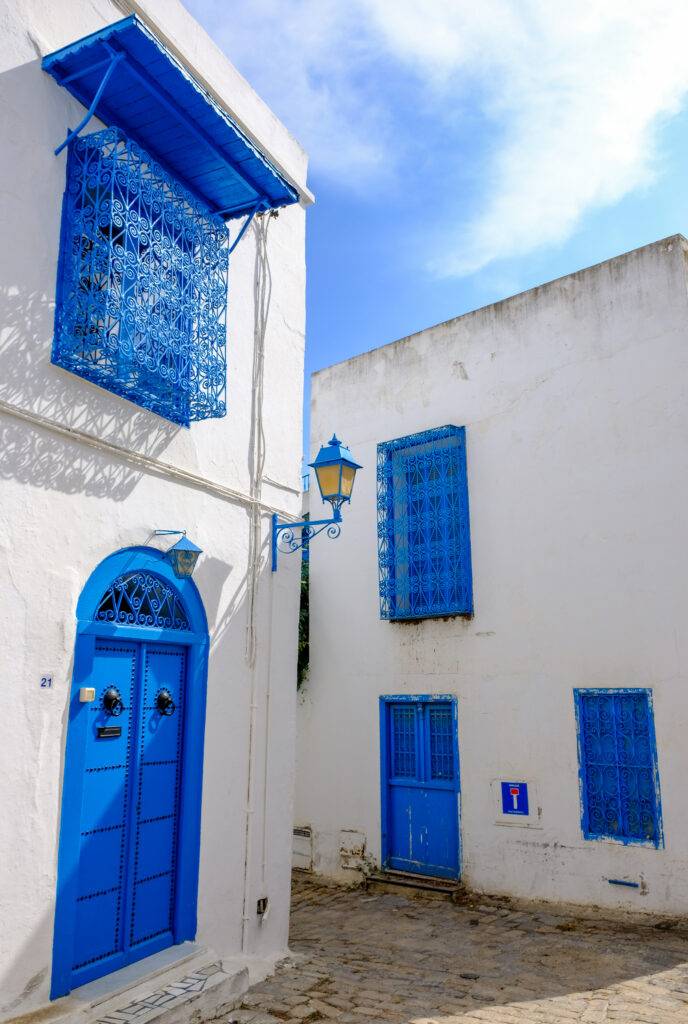
Cobalt blue galore
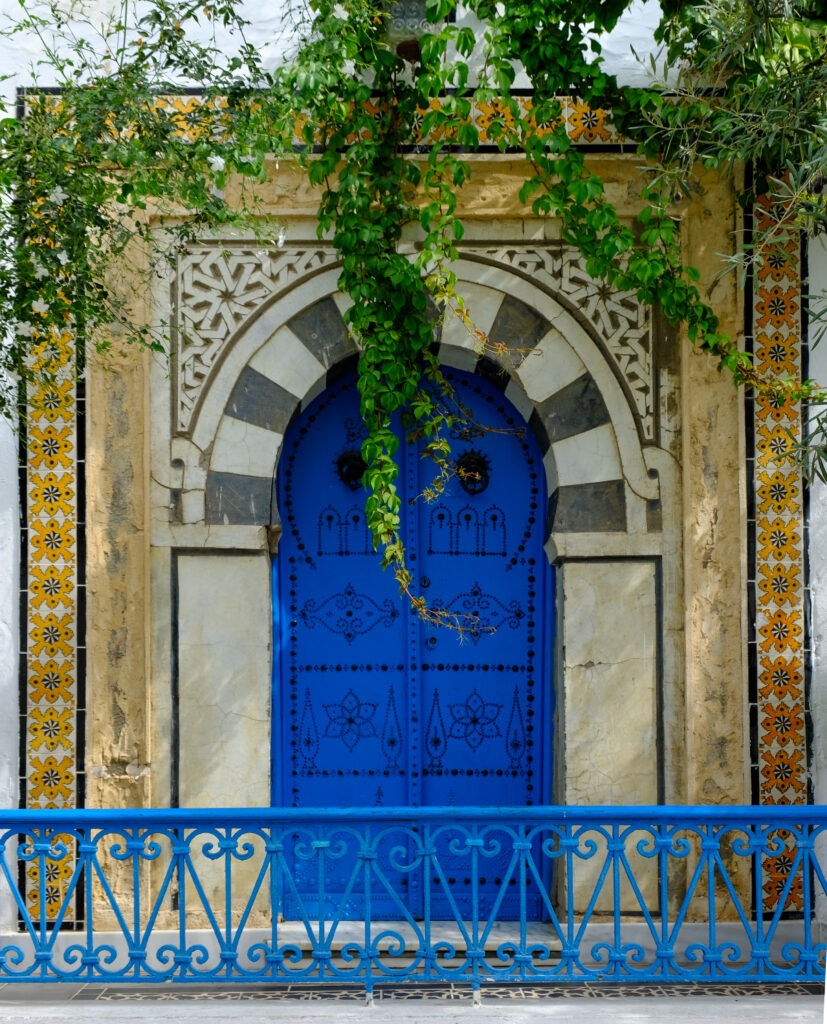
Pretty doors abound
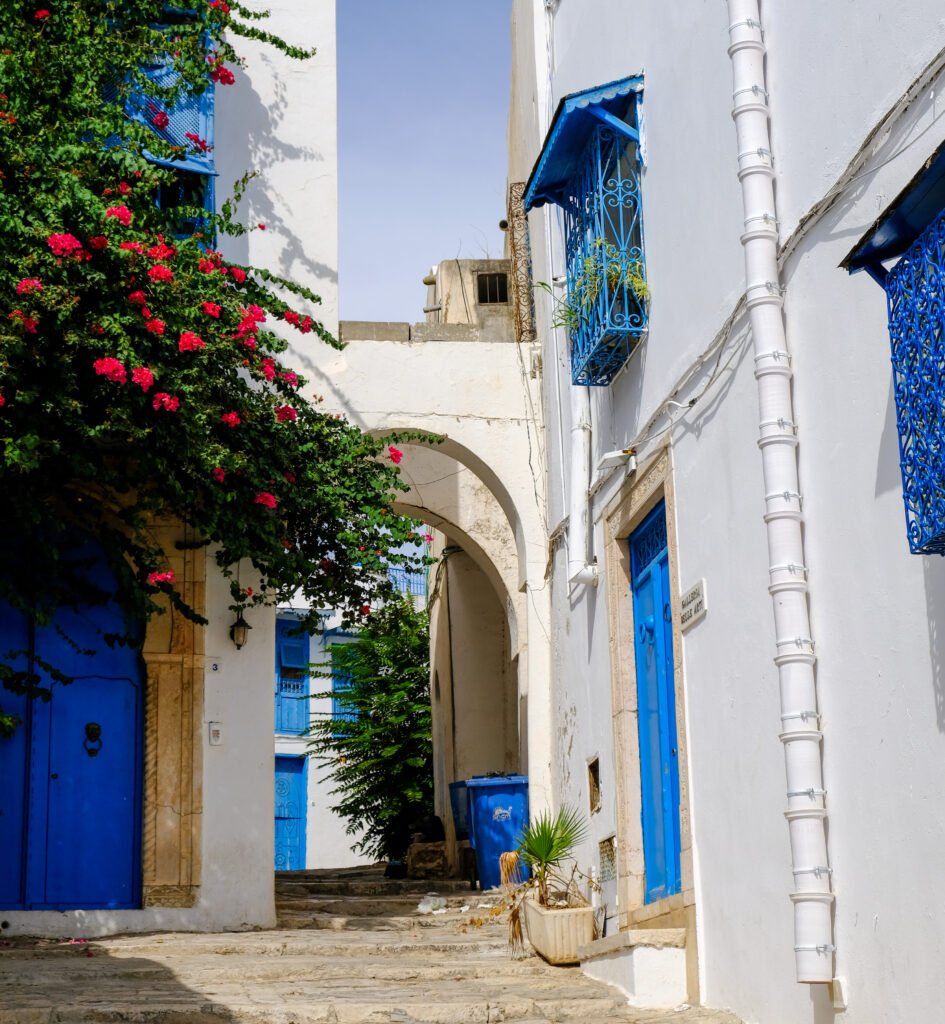
Dash of bougainvillea colors
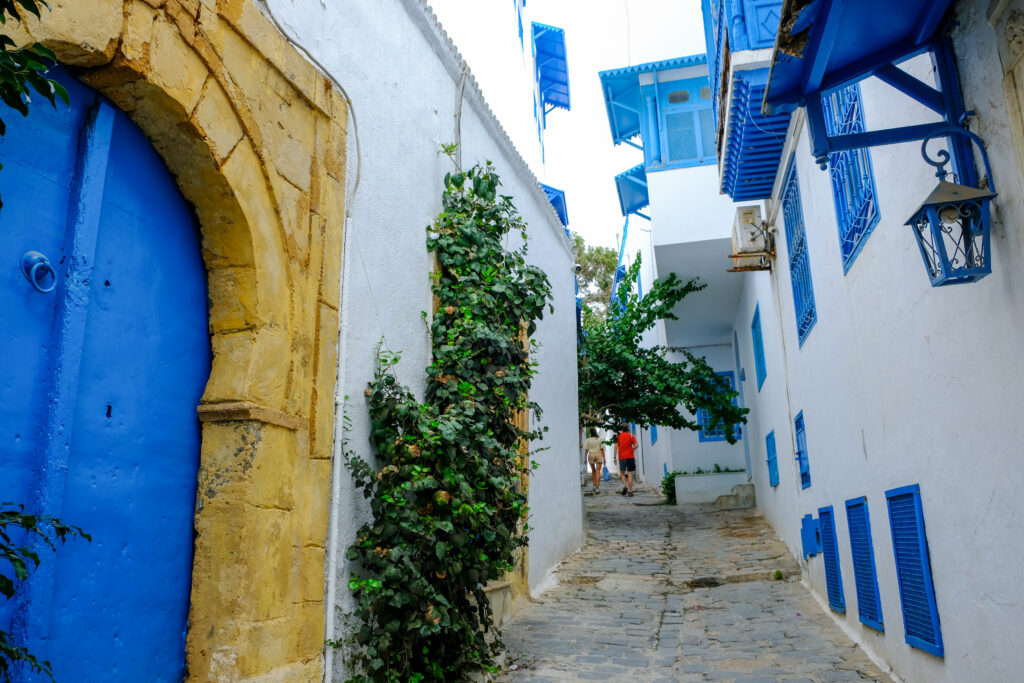
So many alleys to explore
5. Watch Dusk Settle Over La Marsa Beach
After a day of exploring ancient ruins and hiking up hillside lanes, I was ready for a more contemporary and flatter scene to wrap things up. So I took the TGM light rail from Sidi Bou Said and hopped off at the end of the line at La Marsa. This seaside suburb was once the summer retreat of Tunisia’s Beys, who built their palaces here. Today it is one of the most affluent areas of Tunis, chock-full of AirBnBs, restaurants, cafes and gelato shops to satisfy every taste. La Marsa beach fit the bill perfectly – a great spot to trade history for scenery and watch dusk roll in over the choppy waters of the Mediterranean.
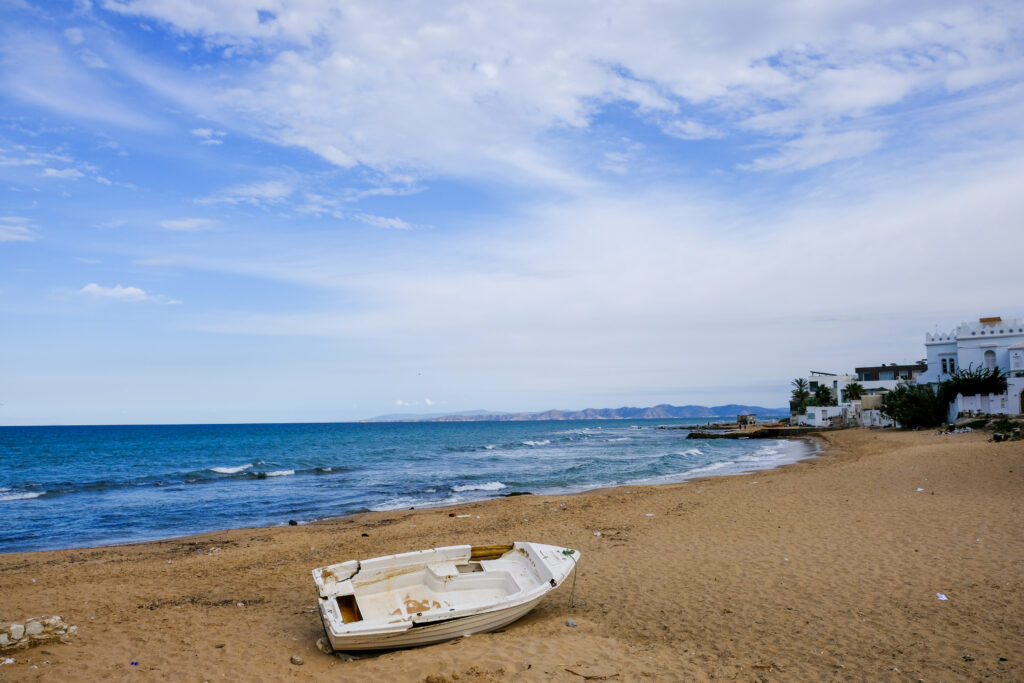
Abandoned boat keeping watch
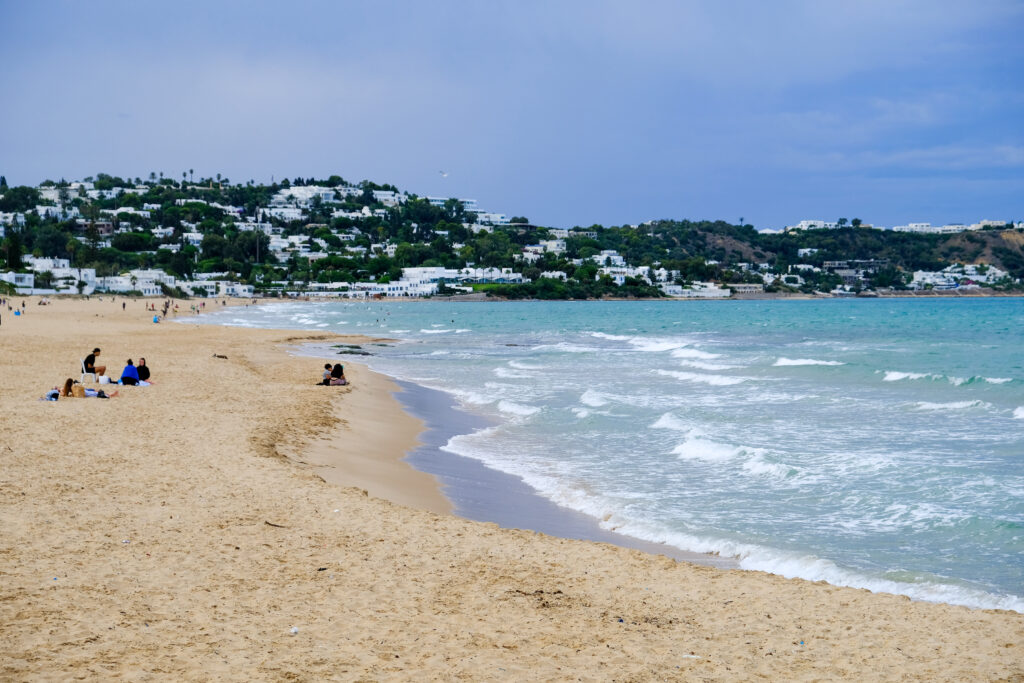
Azure waters of the Mediterranean and golden sands
6. Take in the Sights and Smells of the Central Market
The Marché Central near the Medina offers a wonderful glimpse into everyday grocery shopping in Tunis. The halls of this late 19th-century market were bustling with locals stocking up on everything from fish and meat to cheeses, olives, spices, fruit and vegetables. I wandered the aisles soaking up the sights and smells of the fresh produce, and struggled to keep my footing on the wet, slippery floors of the fish hall. In the vegetable section I encountered mounds of baklouti peppers, the main ingredient in making harissa paste – a quintessential Tunisian condiment. Tunisia is also famous for its Deglet Noor dates, and the freshest ones here are sold still attached to their stems.
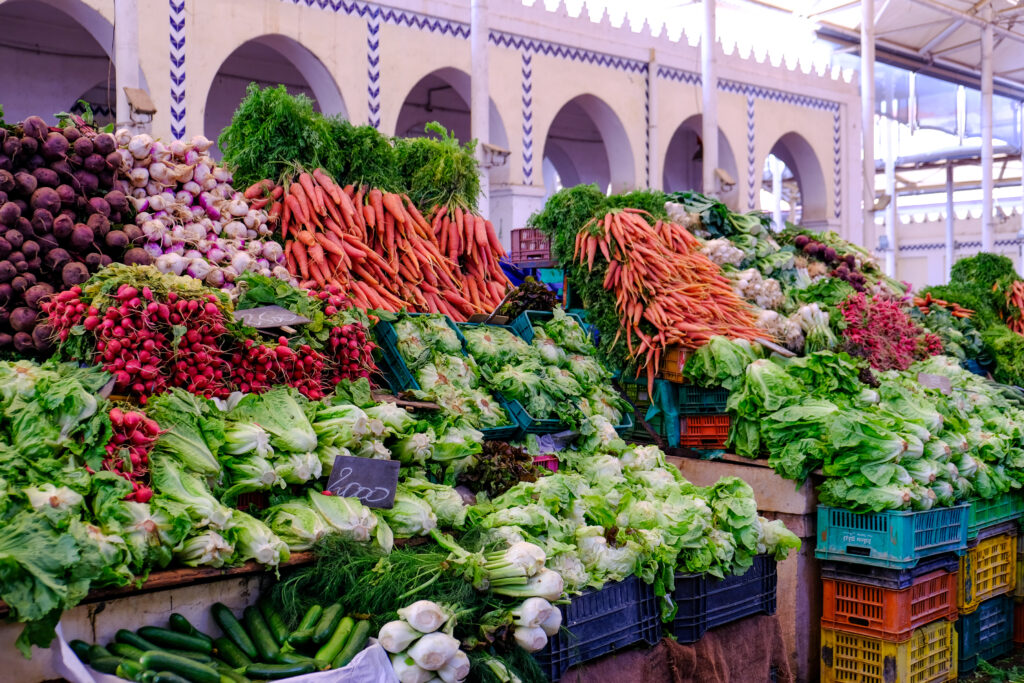
All kinds of fresh produce
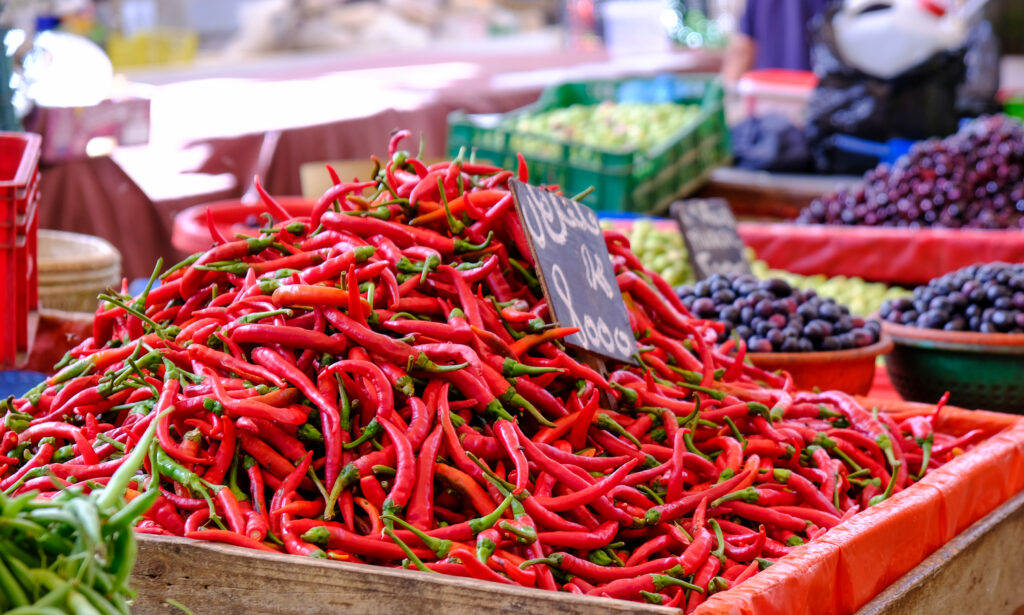
Fiery harissa awaiting its victim
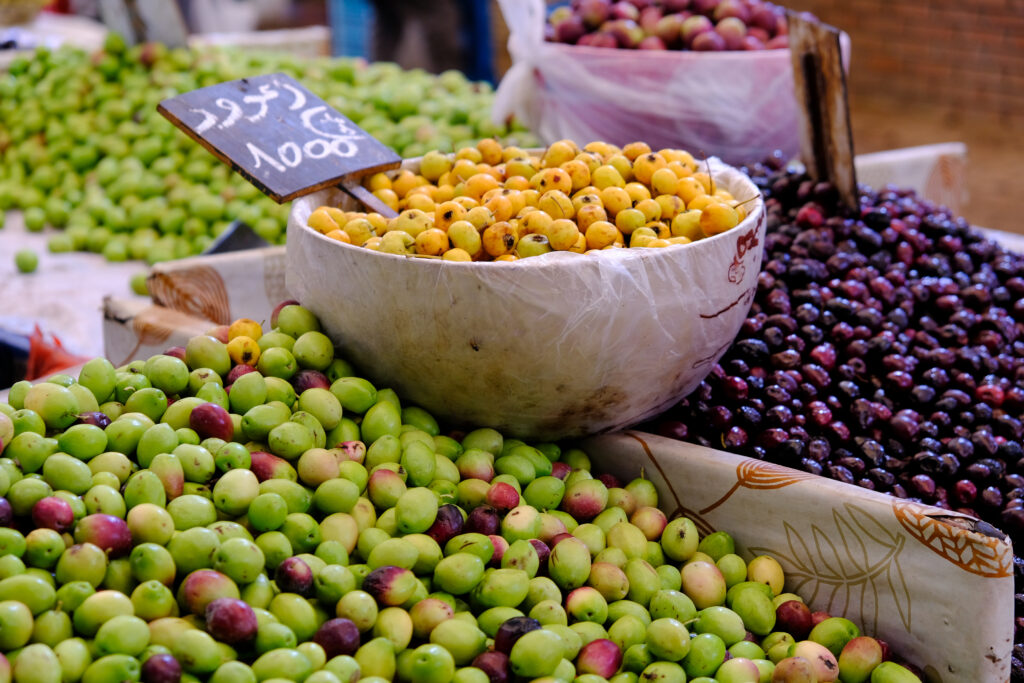
Olives of all hues
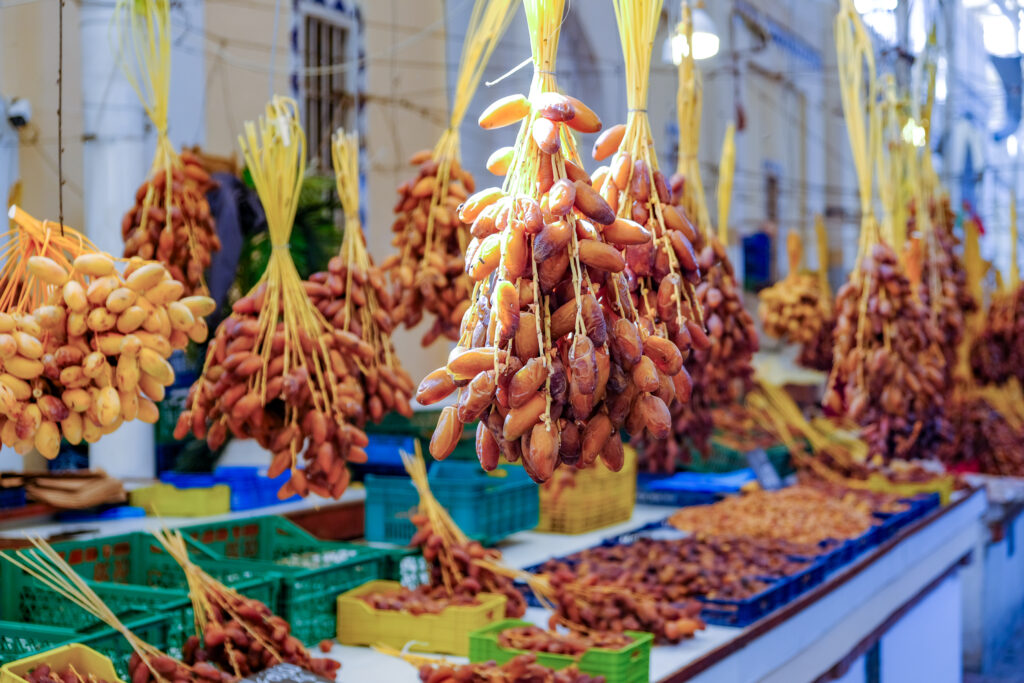
Freshest deglet noor dates
7. Burn Your Insides with Fiery Ojja
Harissa soon made a spicy entrance when I sat down for lunch at Com Art restaurant and ordered ojja, a Tunisian dish of eggs simmered in a spicy tomato & pepper sauce and spiked generously with the paste. This hearty dish is similar to shakshouka but packs a much more potent kick, and every bite burnt my insides. Fun fact: harissa and shakshouka are both widely said to have originated in Tunisia – just don’t ask their North African neighbors!
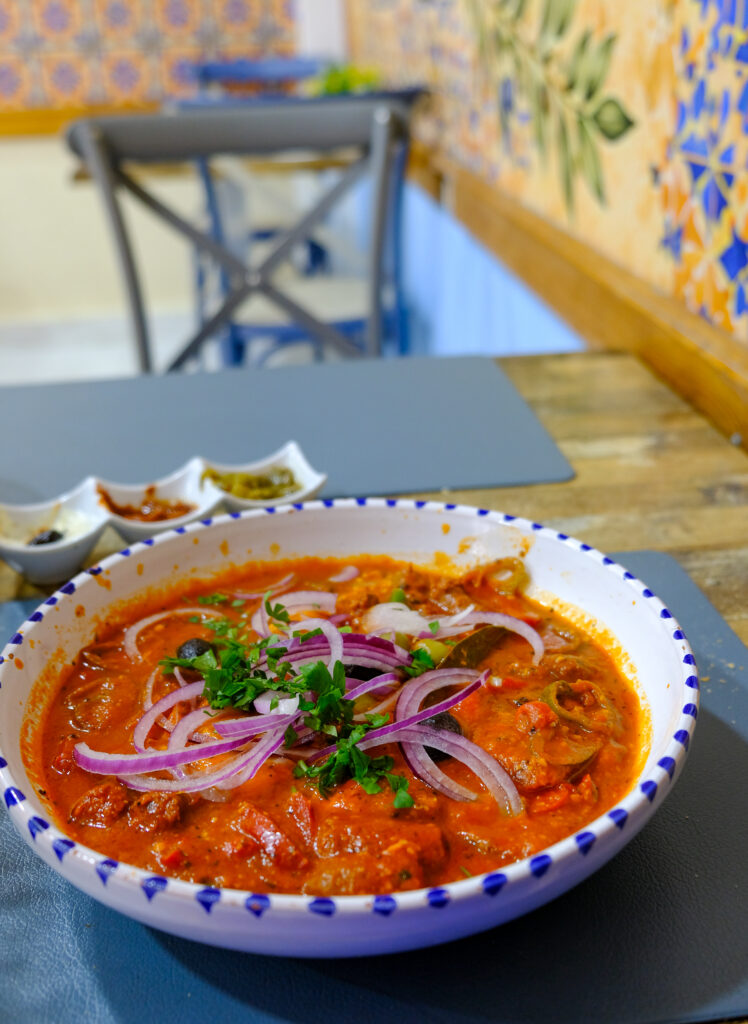
About to experience all kinds of hurt
Shukran & Merci Tunisia!


Leave a Reply
Please share your comments below!